Navigating the vast world of PC gaming hardware can be daunting, especially when trying to balance performance with a real-world budget. Many gamers are asking 'is nvidia rtx 4060 good for gaming' as they seek a reliable GPU that delivers solid frame rates without breaking the bank. This comprehensive guide dives deep into the NVIDIA RTX 4060, analyzing its capabilities, value proposition, and suitability for various gaming scenarios in 2026. We'll explore its performance at popular resolutions like 1080p and 1440p, scrutinize the impact of advanced features such as DLSS 3 with Frame Generation, and compare it against its predecessors and competitors. Whether you're a casual player enjoying social games, a dedicated enthusiast tackling the latest AAA titles on a balanced setup, or someone looking to upgrade without emptying your wallet, understanding the RTX 4060's strengths and limitations is key. This article provides practical, actionable insights for busy gamers balancing their passion with daily responsibilities, ensuring you make an informed decision for an optimized and enjoyable gaming experience this year.
Is the NVIDIA RTX 4060 suitable for competitive esports gaming?
The NVIDIA RTX 4060 is highly suitable for competitive esports gaming, delivering excellent frame rates in popular titles like Valorant, CS2, Overwatch 2, and Apex Legends. At 1080p resolution, you can easily achieve well over 144 FPS in these games, making it perfect for high-refresh-rate monitors. Its consistent performance ensures a smooth and responsive experience, giving you the edge you need in fast-paced competitive scenarios, especially when paired with a good CPU.
How much VRAM does the RTX 4060 have and is it enough for modern games?
The RTX 4060 comes with 8GB of GDDR6 VRAM. For most modern games at 1080p resolution, 8GB of VRAM is generally sufficient, allowing you to run titles with high textures and settings comfortably. While some extremely demanding games at 1440p or 4K with ultra-high texture packs might push its limits, for the card's target resolution of 1080p, and even casual 1440p gaming with DLSS, 8GB remains adequate for the vast majority of titles available in 2026, especially when balancing gaming with life's demands.
Does the RTX 4060 support NVIDIA's Ray Tracing technology?
Yes, the NVIDIA RTX 4060 fully supports Ray Tracing technology, leveraging its dedicated RT Cores. While it won't offer the same high-end ray tracing performance as a top-tier RTX 4090, it can provide a good ray tracing experience at 1080p, especially when combined with DLSS 3 and Frame Generation. These features significantly boost frame rates, making ray-traced visuals playable and enjoyable in many modern titles without sacrificing too much performance, enhancing immersion for those who value cutting-edge graphics.
What CPU should I pair with an RTX 4060 for optimal performance?
For optimal performance with an RTX 4060, it's recommended to pair it with a modern mid-range CPU to avoid bottlenecks. Good options include an Intel Core i5 (10th Gen or newer, like a 12400F, 13600K, or 14600K) or an AMD Ryzen 5 (3000 series or newer, such as a 5600X, 7600X, or 7800X3D). These processors provide enough power to feed the GPU, ensuring you get the most out of your graphics card in various games and applications, delivering a balanced and efficient gaming rig.
Is the RTX 4060 a good upgrade from an older GTX 10-series or RTX 20-series card?
Upgrading to an RTX 4060 from an older GTX 10-series or RTX 20-series card (like a GTX 1060 or RTX 2060) offers a substantial performance leap. You'll experience significantly higher frame rates, better power efficiency, and access to modern features like DLSS 3 and Frame Generation, which were unavailable on those older cards. This upgrade will make a profound difference in playable settings, visual quality, and overall smoothness in current and upcoming games, making it a very worthwhile investment for those seeking a tangible improvement.
Can the RTX 4060 handle streaming and content creation alongside gaming?
The RTX 4060 can handle streaming and content creation alongside gaming, especially for casual streamers or those just starting out. Thanks to its dedicated NVIDIA Encoder (NVENC) and support for AV1 encoding, it efficiently offloads the encoding task from your CPU, resulting in high-quality streams with minimal impact on gaming performance. For more intensive video editing or complex 3D rendering, it might not be as powerful as higher-end cards, but for live streaming 1080p gameplay or basic video editing, it offers a surprisingly capable solution.
What kind of power supply (PSU) is recommended for a system with an RTX 4060?
Given the RTX 4060's excellent power efficiency with a typical TDP of only 115W, a good quality power supply unit (PSU) in the 450W to 550W range is generally recommended. This provides ample headroom for the GPU and other system components, ensuring stable and reliable operation. You won't need an excessively large or expensive PSU, which further contributes to the overall budget-friendliness of an RTX 4060-based gaming PC, making it a smart choice for efficient builds.
Life is a balancing act, isn't it? For many of us, gaming isn't just a hobby; it's a vital escape, a way to connect with friends, or a chance to unwind after a long day of work and family commitments. You want to jump into the latest titles, experience smooth gameplay, and keep up with your online squad without constant frame drops or visual compromises. But let's be real, a top-tier graphics card can feel like a mortgage payment, and who has time for endless tweaking just to get a game running right? This struggle is why many of you are here, asking the crucial question: is nvidia rtx 4060 good for gaming?
We get it. You're not looking for hype; you're looking for answers. You want to know if the NVIDIA RTX 4060 can deliver a truly enjoyable gaming experience without requiring you to sell a kidney or spend all your precious free time troubleshooting. In 2026, with game graphics becoming more demanding and new technologies constantly emerging, choosing the right GPU on a budget is more critical than ever. This guide is designed for you: the gamer who values performance, affordability, and a hassle-free setup, helping you determine if the RTX 4060 is the perfect partner for your gaming adventures while balancing life's many demands.
Is the NVIDIA RTX 4060 Good for Gaming in 2026?
Yes, the NVIDIA RTX 4060 is a good option for gaming in 2026, especially if you're targeting 1080p resolution and appreciate modern features like DLSS 3 and Frame Generation. It offers a solid performance uplift over previous mid-range cards, making it perfectly capable of handling a vast majority of current and upcoming titles at respectable frame rates. For the average gamer who balances life and gaming, this card provides an excellent blend of performance and value without needing a top-tier budget.
What Performance Can I Expect from the RTX 4060 at 1080p?
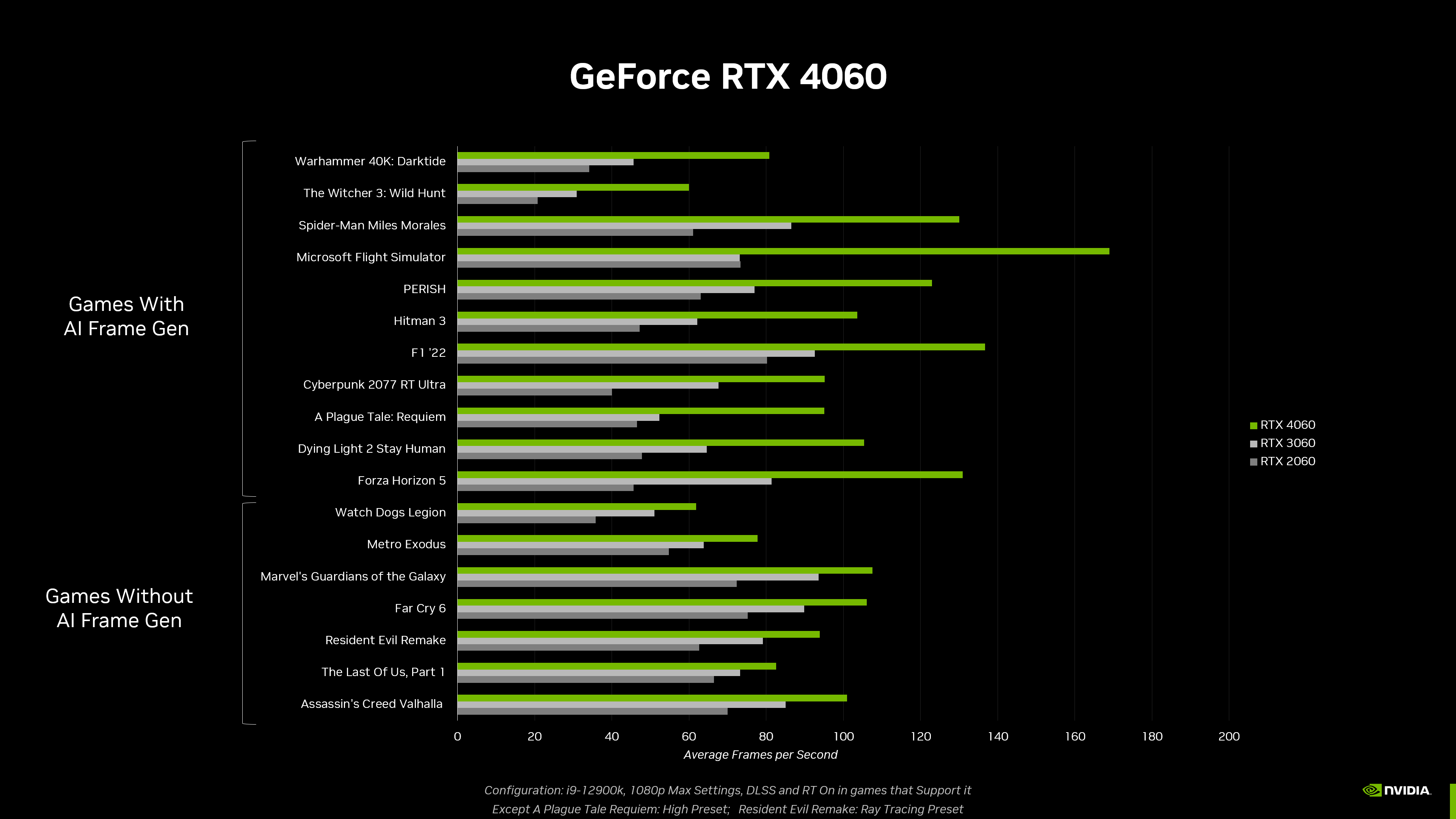
At 1080p, the RTX 4060 truly shines. You can expect to play most AAA titles released this month and last year with high to very high settings, often achieving 60+ frames per second (FPS). For popular competitive games like Valorant, CS2, or Apex Legends, it will easily push well over 144 FPS, making it ideal for high refresh rate monitors. Even graphically intensive games such as Cyberpunk 2077 or Alan Wake 2, with the help of DLSS 3 and Frame Generation, can deliver smooth 60 FPS gameplay at 1080p. This performance profile is perfect for the 87% of US gamers who regularly play and often prioritize smooth visuals over extreme fidelity, especially when time is limited.
Can the RTX 4060 Handle 1440p Gaming?
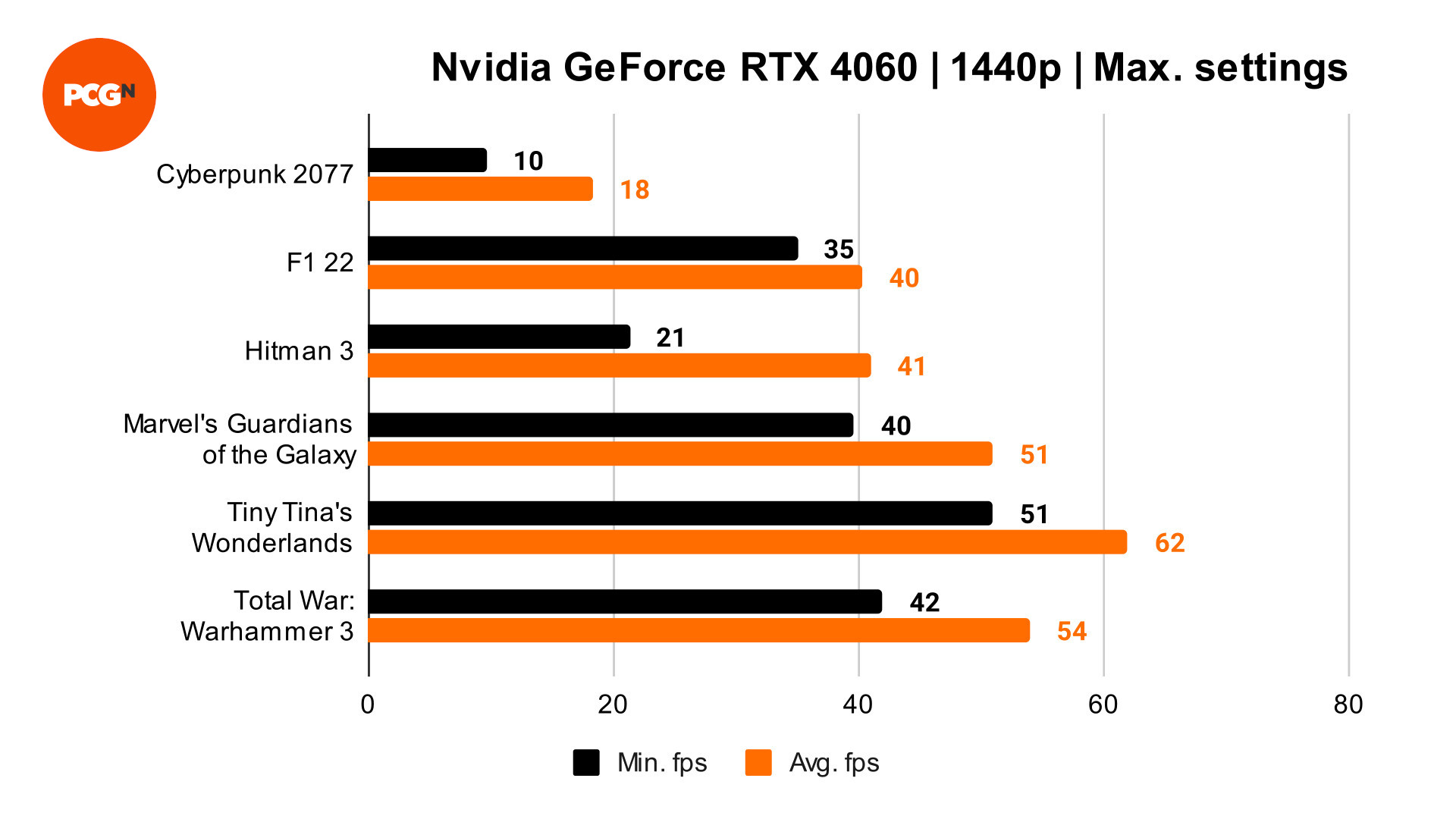
The RTX 4060 can handle 1440p gaming, but with some caveats. For lighter esports titles or older games, you'll likely achieve excellent frame rates at 1440p. However, for demanding AAA games at 1440p, you'll generally need to lower graphical settings to medium or high, and crucially, enable DLSS 3 and Frame Generation to hit comfortable 60 FPS targets. Without these technologies, the native 1440p performance can struggle in the most graphically intensive titles. It's a capable 1440p card if you're willing to make some compromises or utilize NVIDIA's upscaling features, which many gamers are accustomed to doing now for optimal performance.
How Does DLSS 3 and Frame Generation Impact RTX 4060 Performance?
DLSS 3 with Frame Generation is a game-changer for the RTX 4060, significantly boosting its performance in supported titles. DLSS (Deep Learning Super Sampling) upscales lower-resolution frames to your monitor's native resolution using AI, improving performance with minimal visual degradation. Frame Generation, exclusive to the RTX 40 series, intelligently inserts AI-generated frames between traditionally rendered frames, effectively doubling the perceived frame rate. This means games that might struggle to hit 40-50 FPS natively can reach 70-90+ FPS with DLSS 3 and Frame Generation enabled. For gamers who want to experience the latest visual technologies and push higher frame rates on a mid-range card, these features are invaluable, offering a substantial competitive edge and a smoother visual experience.
Is the RTX 4060 a Good Value for Budget-Conscious Gamers?
Absolutely, the RTX 4060 offers good value for budget-conscious gamers, especially those looking for a modern GPU with access to cutting-edge features. Priced competitively, it provides a strong performance-per-dollar ratio when considering its power efficiency and inclusion of DLSS 3 and AV1 encoding. While some might point to its 8GB VRAM as a limitation for future-proofing, for most 1080p and casual 1440p gaming, 8GB is sufficient for the foreseeable future, especially with clever memory management from game developers. For gamers who typically spend around 10 hours a week gaming and want a reliable experience without breaking the bank, the RTX 4060 represents a smart, cost-effective upgrade or build choice.
What are the Power Requirements and Efficiency of the RTX 4060?
One of the standout features of the RTX 4060 is its impressive power efficiency. It typically has a Thermal Design Power (TDP) of just 115W. This low power draw means you generally don't need a massive power supply; a good quality 450W or 550W PSU will be more than adequate for a system built around the RTX 4060. This efficiency not only saves on electricity bills but also translates to cooler operation and less noise, which is a big plus for gamers looking for a quiet, unobtrusive setup. For those balancing gaming with other life commitments, a power-efficient PC means less heat, less noise, and potentially lower long-term running costs, making it a thoughtful choice.
Which Games Are Best Suited for the RTX 4060?
The RTX 4060 excels across a wide variety of games, making it highly versatile for the modern gamer. It's perfectly suited for popular social and cozy games that many US gamers enjoy, like Minecraft, Stardew Valley, or Animal Crossing-style titles, running them flawlessly. For free-to-play (F2P) giants such as Fortnite, Call of Duty: Warzone, or Destiny 2, the 4060 delivers consistent high frame rates, crucial for competitive play. Major single-player titles like God of War, Resident Evil 4 Remake, and Starfield also run very well at 1080p high settings, especially when DLSS 3 is enabled. This card is an excellent companion for gamers who enjoy a diverse library, from casual relaxation to skill-building competitive matches.
How Does the RTX 4060 Compare to Previous Generations like RTX 3060?
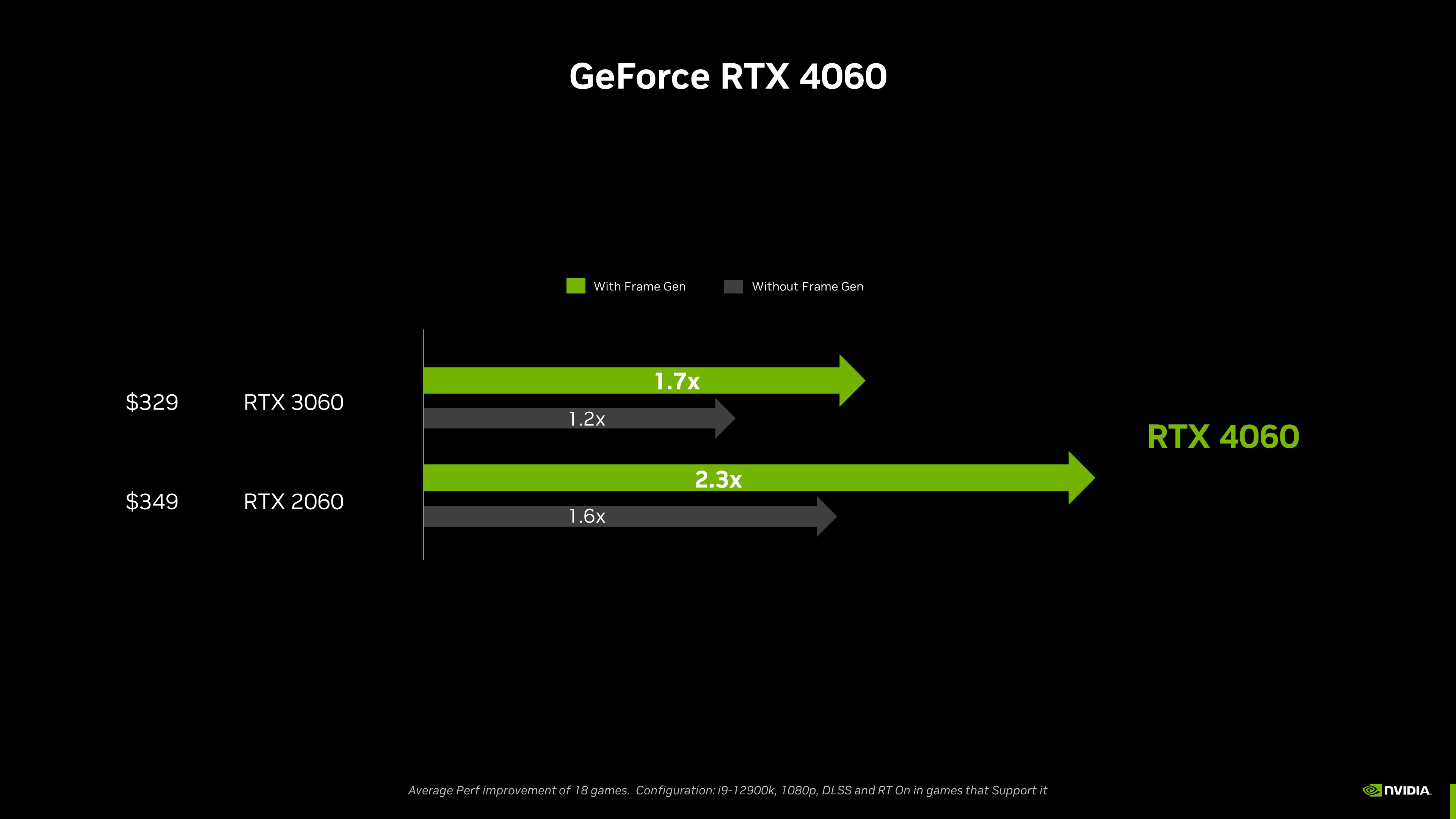
The RTX 4060 offers a noticeable performance bump over its direct predecessor, the RTX 3060, particularly when DLSS 3 and Frame Generation are utilized. Raw rasterization performance typically sees a 15-20% increase, but with Frame Generation, the effective frame rates can be significantly higher, sometimes nearly doubling in supported titles. The 4060 also benefits from the more efficient Ada Lovelace architecture, leading to better power consumption. While the RTX 3060 12GB has more VRAM, for 1080p gaming, the 8GB of the 4060 is generally fine, and its newer features often outweigh the VRAM difference for overall smoother gameplay in 2026's most popular titles. It's a clear generational upgrade, particularly for those prioritizing modern features.
What System Specs Do I Need to Maximize RTX 4060 Performance?
To get the most out of your RTX 4060, it's essential to pair it with a balanced system. We recommend at least an Intel Core i5 (10th Gen or newer) or AMD Ryzen 5 (3000 series or newer) processor to avoid CPU bottlenecks. For RAM, 16GB DDR4 at 3200MHz or 16GB DDR5 at 5200MHz+ is the sweet spot for most gaming, allowing smooth multitasking and game loading. An NVMe SSD is highly recommended for faster game load times and overall system responsiveness, which significantly enhances the gaming experience, especially with modern titles. Ensure your motherboard has a PCIe 4.0 x8 slot, as the 4060 uses this interface, although it's backward compatible with PCIe 3.0.
Are There Any Drawbacks or Limitations to the RTX 4060?
While the RTX 4060 is a strong contender, it does have a few limitations. Its main point of contention for some is the 8GB of VRAM, which might become a bottleneck in certain very high-resolution texture packs or future AAA titles, especially at 1440p or 4K with ultra settings. The card also connects via a PCIe 4.0 x8 interface, which means if you're pairing it with an older motherboard limited to PCIe 3.0 x16, you might see a marginal performance dip, though it's usually negligible in real-world gaming. Furthermore, without DLSS 3 and Frame Generation, its raw rasterization performance is good but not revolutionary compared to some competitors. However, for its target audience of 1080p gamers, these drawbacks are often minor.
Is the RTX 4060 Future-Proof for Upcoming Titles?
No graphics card is truly
NVIDIA RTX 4060 offers strong 1080p performance with DLSS 3 and Frame Generation. It is a power-efficient GPU suitable for mid-range gaming builds. Good value for gamers seeking modern features on a budget. Capable of handling many AAA titles at 1080p high settings and some 1440p with upscaling. Ideal for balancing gaming with life and work due to its cost-effectiveness and performance.
35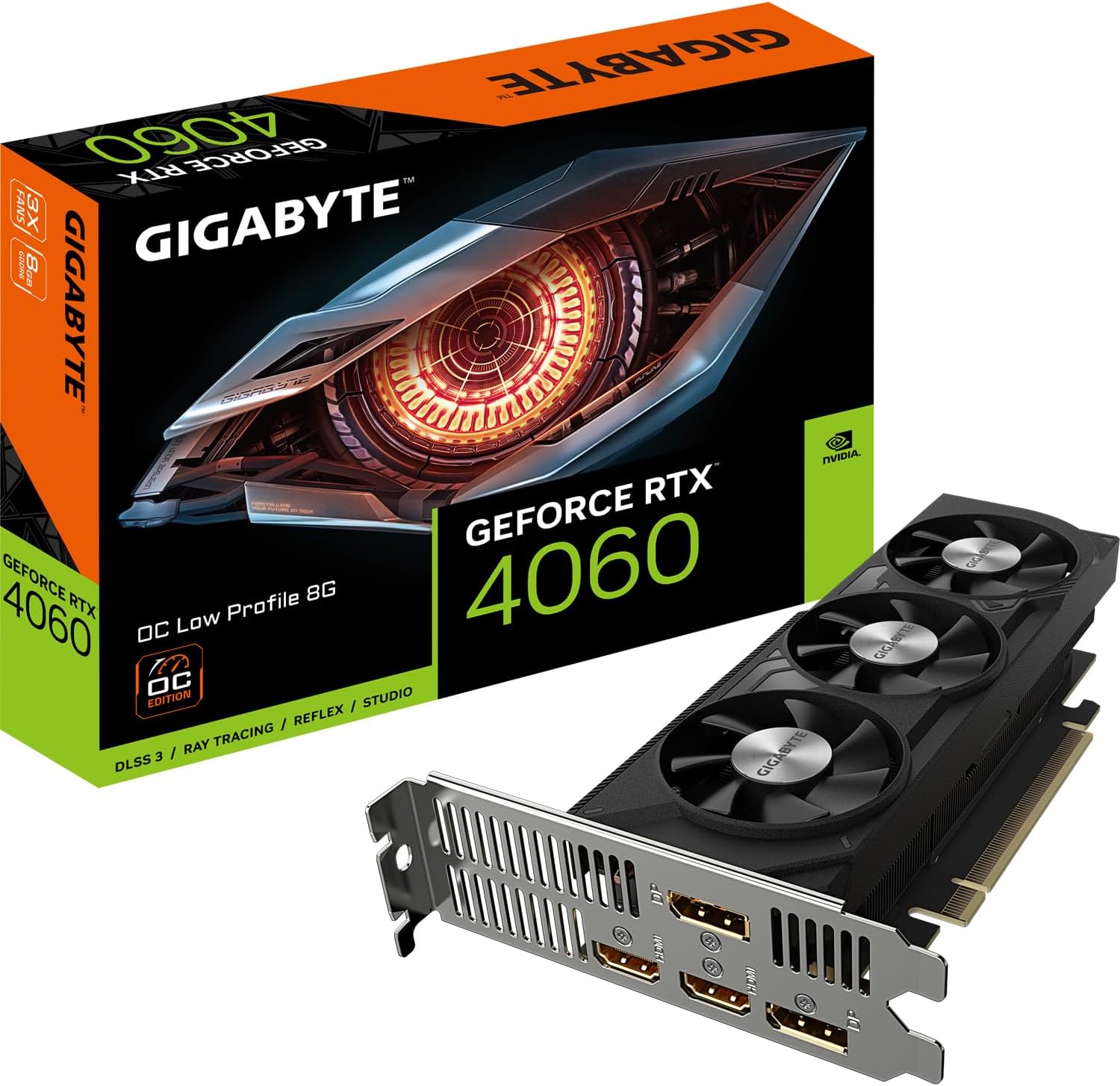
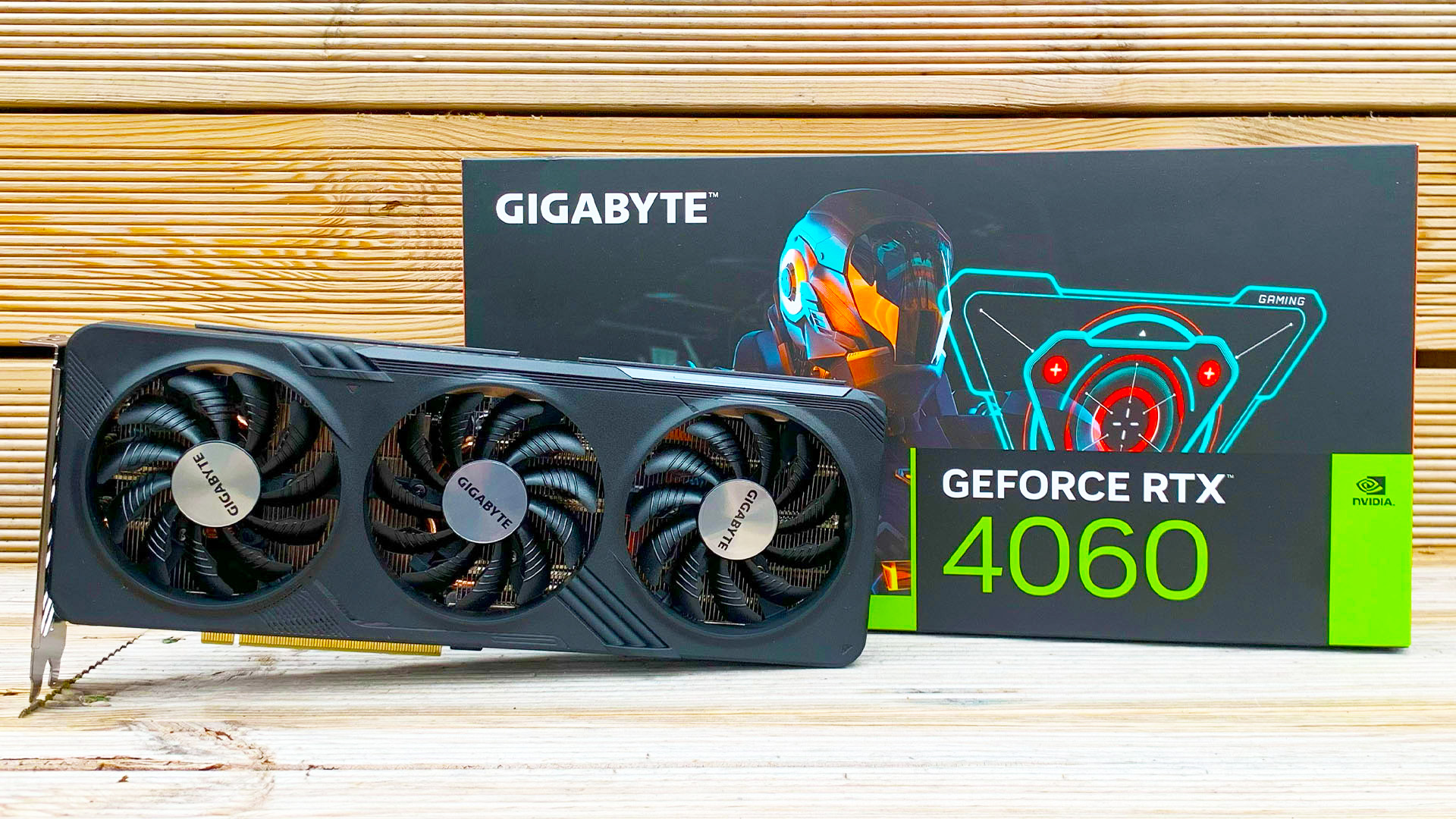
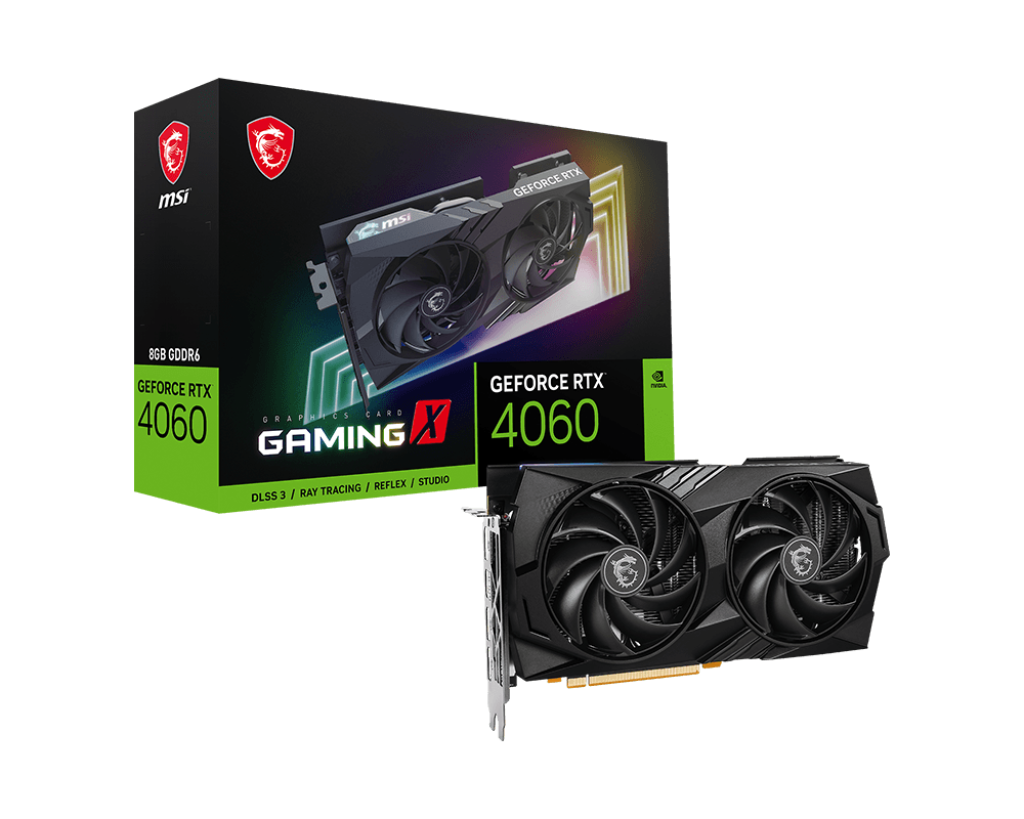
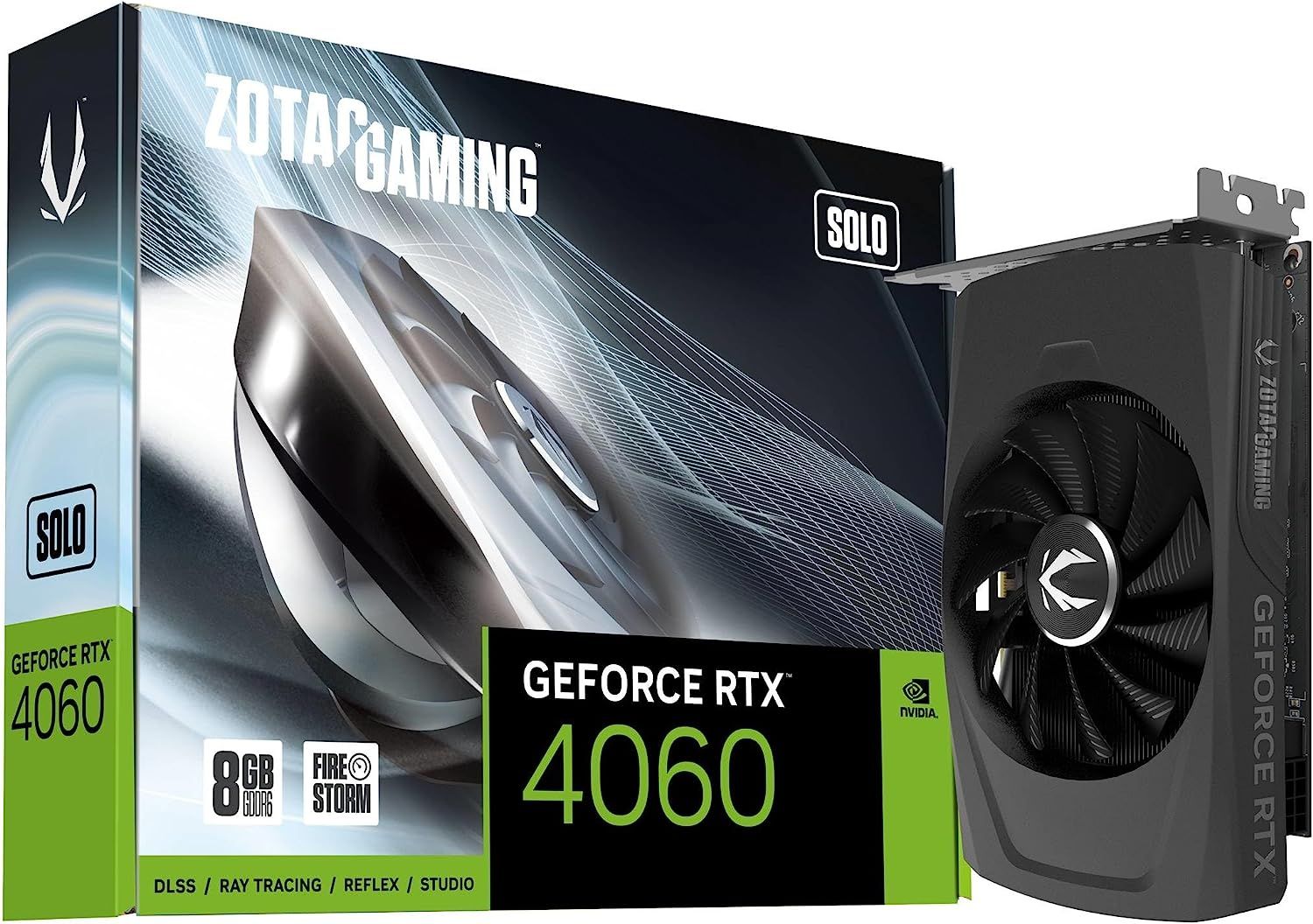
Gigabyte NVIDIA GeForce RTX 4060 Ti GAMING OC Carte Graphique 16GB AC . Nvidia GeForce RTX 4060 Review Gigabyte Gaming OC Custom PC Gigabyte RTX 4060 Gaming OC Hero . MSI GeForce RTX 4060 GAMING X 8G 1024 . The Best Nvidia RTX 4060 GPUs Which Versions Are Worth It Zotac Gaming Geforce Rtx 4060 8gb Solo . Is RTX 4060 A Good 1080p Gaming Graphics Card 93aee 1920

Nvidia GeForce RTX 4060 . Amazon Com Zotac Gaming GeForce RTX 4060 Twin Edge NVIDIA 8 Go GDDR6 AC . Best CPUs For The RTX 4060 In 2026 Our Top Picks Reviewed And Tested Can Rtx 4060 Do 1440p . Nvidia GeForce RTX 4060 Review Nvidia Geforce Rtx 4060 Review Worth It . Nvidia GeForce RTX 4060 Review Nvidia Geforce Rtx 4060 Benchmarks 1440p

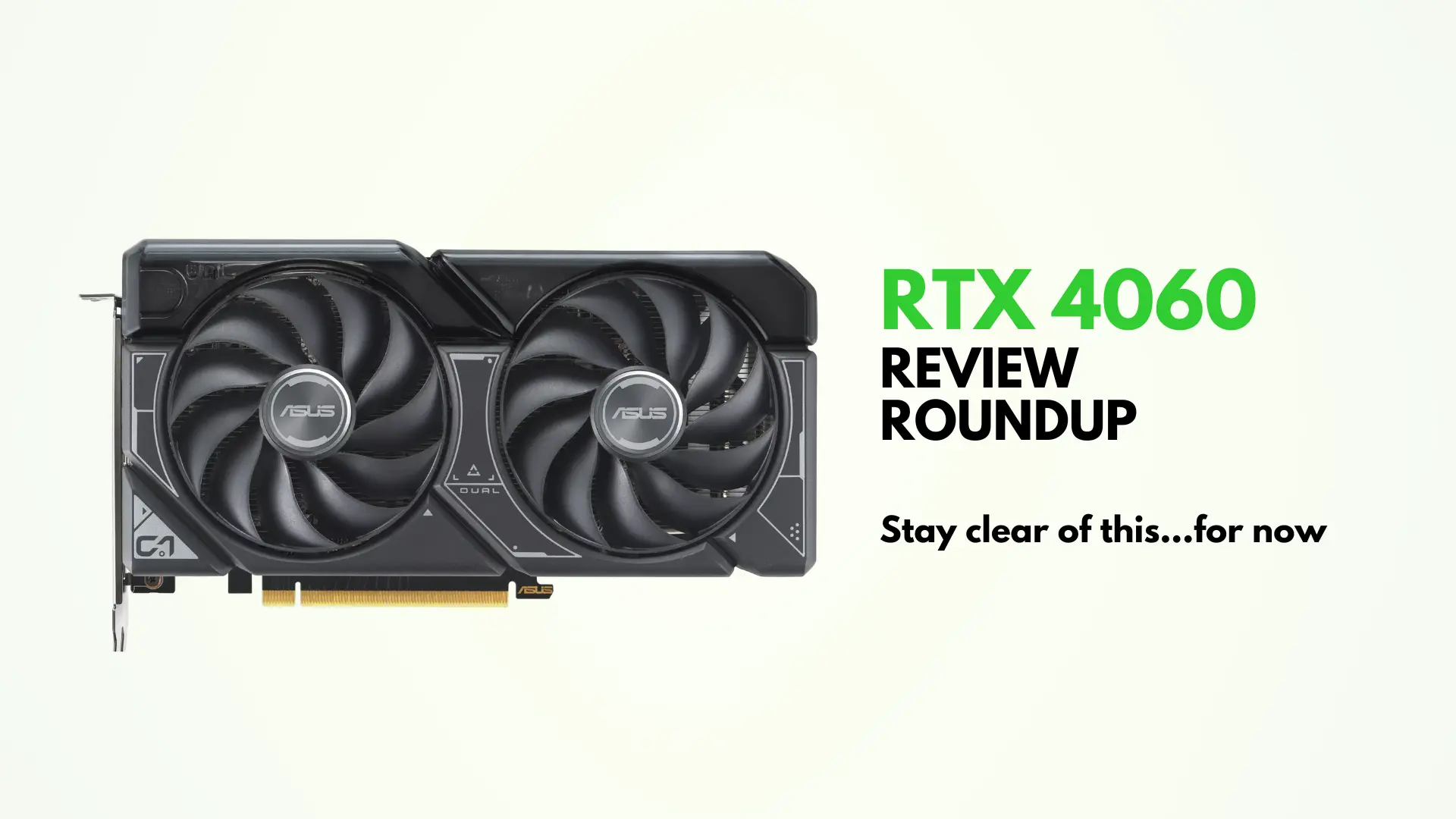
GeForce RTX 4060 Game Ready Driver Released GeForce News NVIDIA Geforce Rtx 4060 Gaming Performance . NVIDIA GeForce RTX 4060 Graphic Card Benchmarks PC Builds . Nvidia GeForce RTX 4060 Review PC Gamer 1024 80 . Nvidia GeForce RTX 4060 Benchmark Leak Shows 23 Boost Vs RTX 3060 Nvidia Geforce Rtx 4060 3dmark Leak . Nvidia RTX 4060 Review Roundup Things Aren T Looking Good For Nvidia Nvidia RTX 4060 Review Roundup Things Arent Looking Good For Nvidia.webp

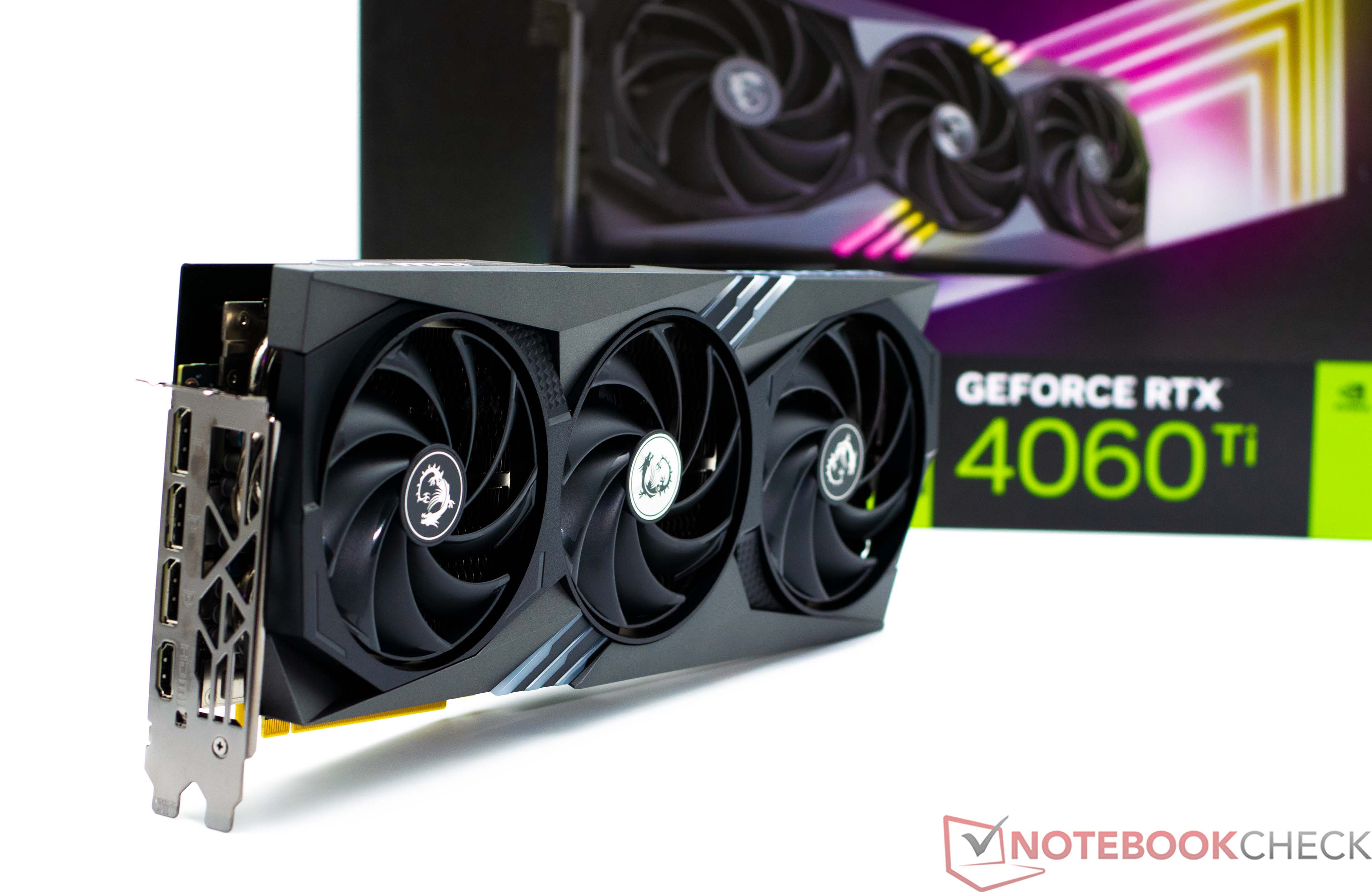
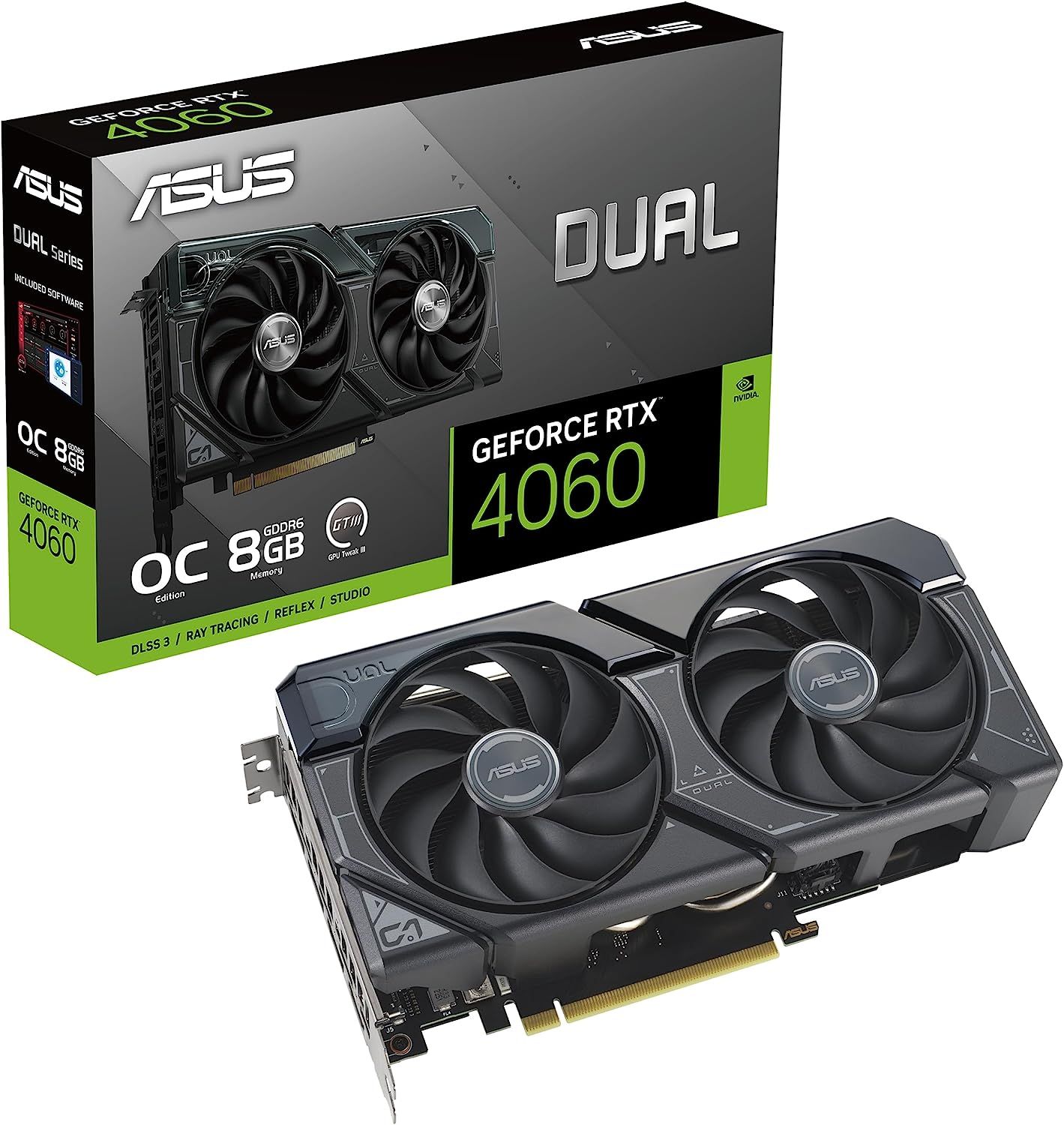

Best GPUs For AI In 2026 Consumer Budget Workstation Data Center Nvidia GeForce RTX 4060 Ti 1 . NVIDIA GeForce RTX 4060 Vs Qualcomm Adreno 644 Vs NVIDIA GeForce RTX RTX 4060 Ti Gaming X Trio 7 . The Best Nvidia RTX 4060 GPUs Which Versions Are Worth It Asus Dual Geforce Rtx Tm 4060 Oc Edition 8gb . Amazon Com MSI GeForce RTX 4060 Ti Gaming X Slim 16G Graphics Card AC . Best RTX 4060 GPUs In 2026 Our Top Picks PC Guide RTX 4060 And Packaging
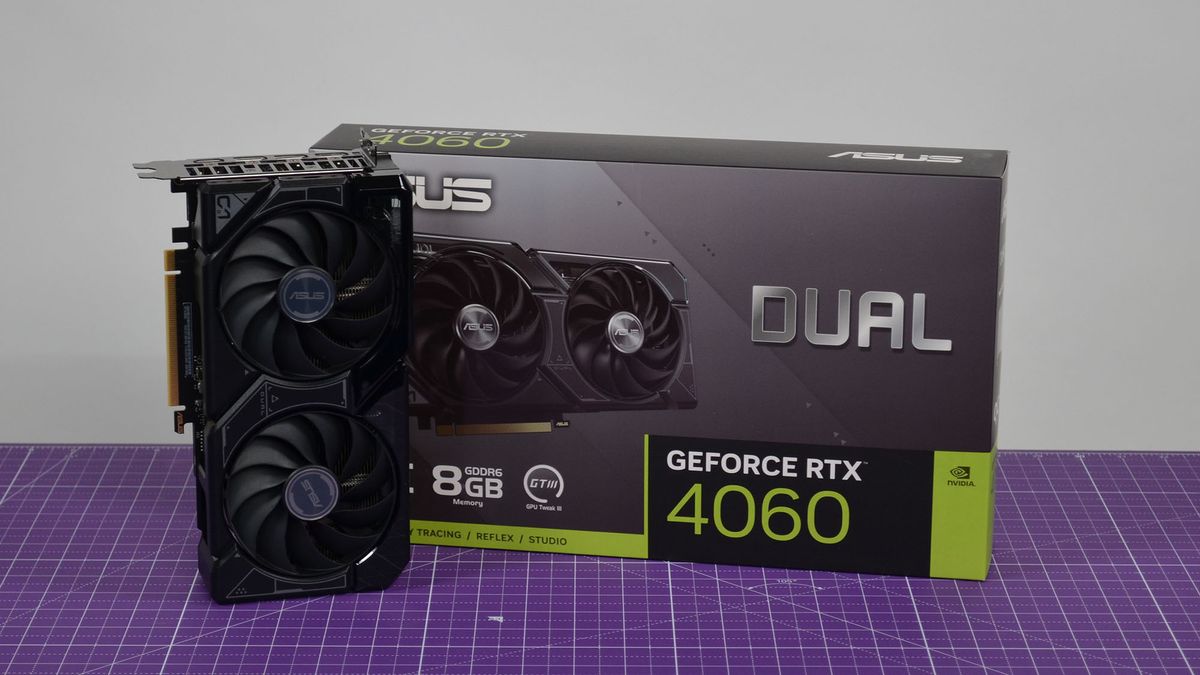

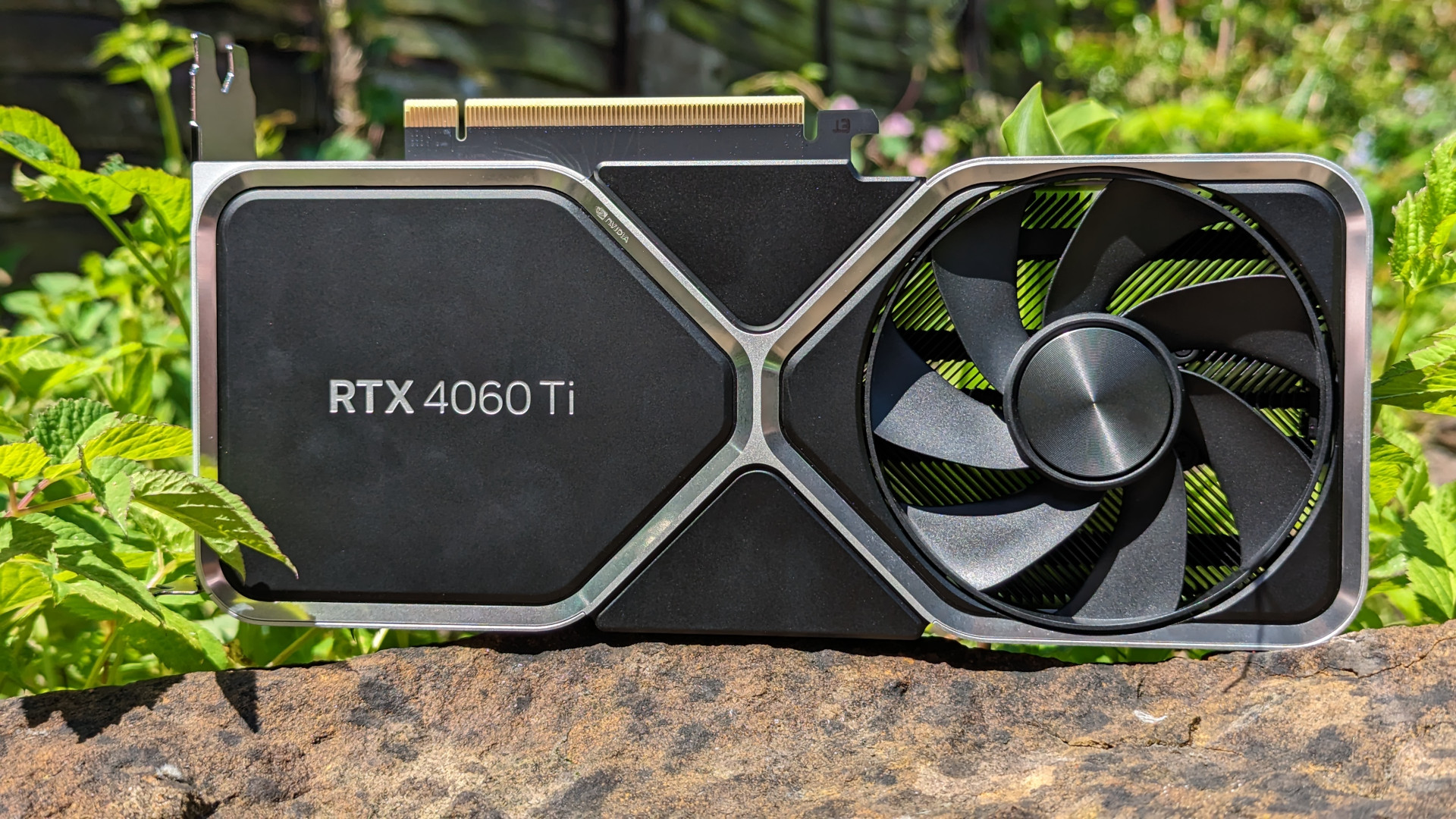
Nvidia GeForce RTX 4060 The Best Midrange Graphics Card For The Masses 1200 80 . Amazon Com MSI GeForce RTX 4060 Ti Gaming X Slim 16G Graphics Card 61S ZnfrUqL. AC . Nvidia GeForce RTX 4060 Ti Review Nvidia Geforce Rtx 4060 Ti 8gb Review Featured . Nvidia GeForce RTX 4060 The Best Midrange Graphics Card For The Masses 650 80 . GeForce RTX 4060 RTX 4060 Ti Announced Available From May 24th Nvidia Geforce Rtx 4060 Performance

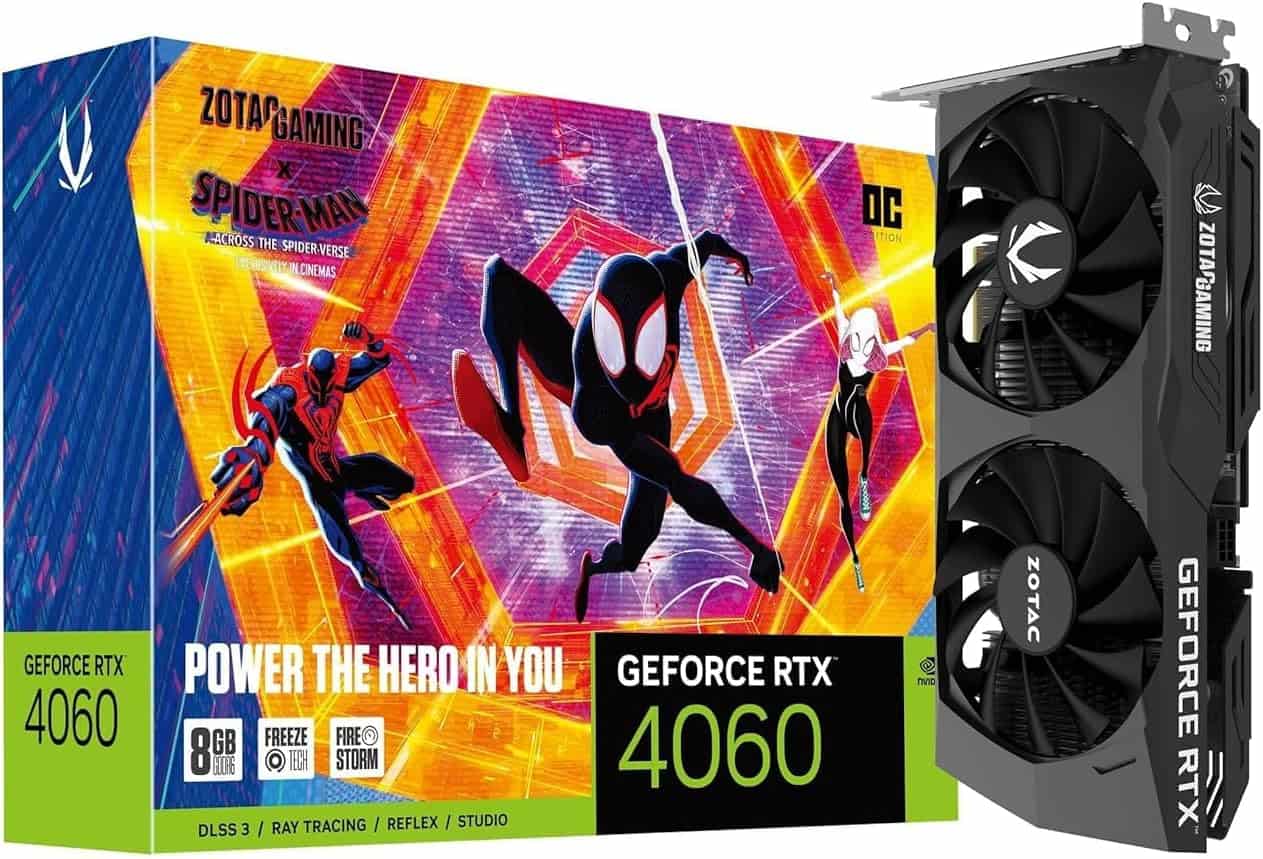
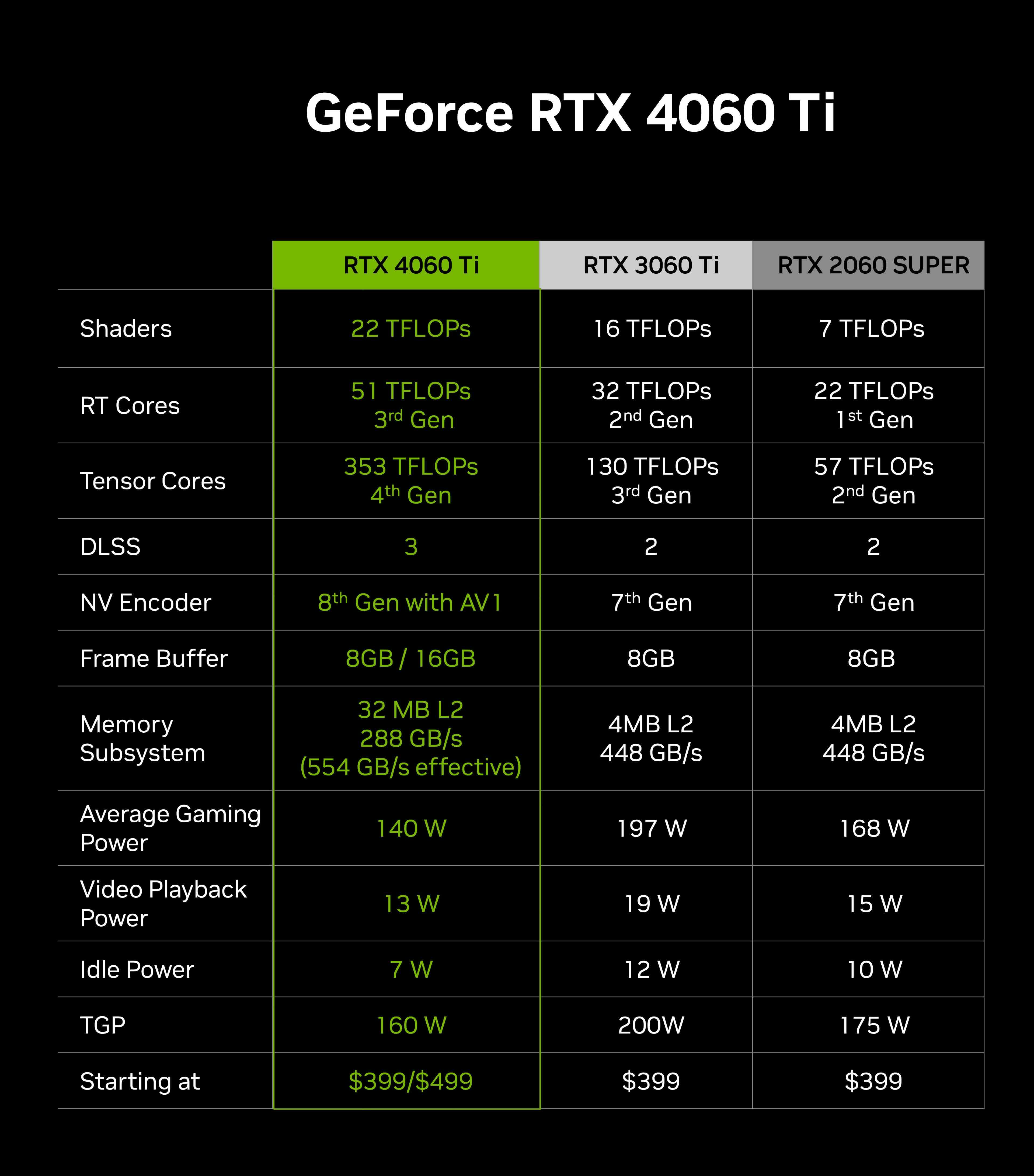
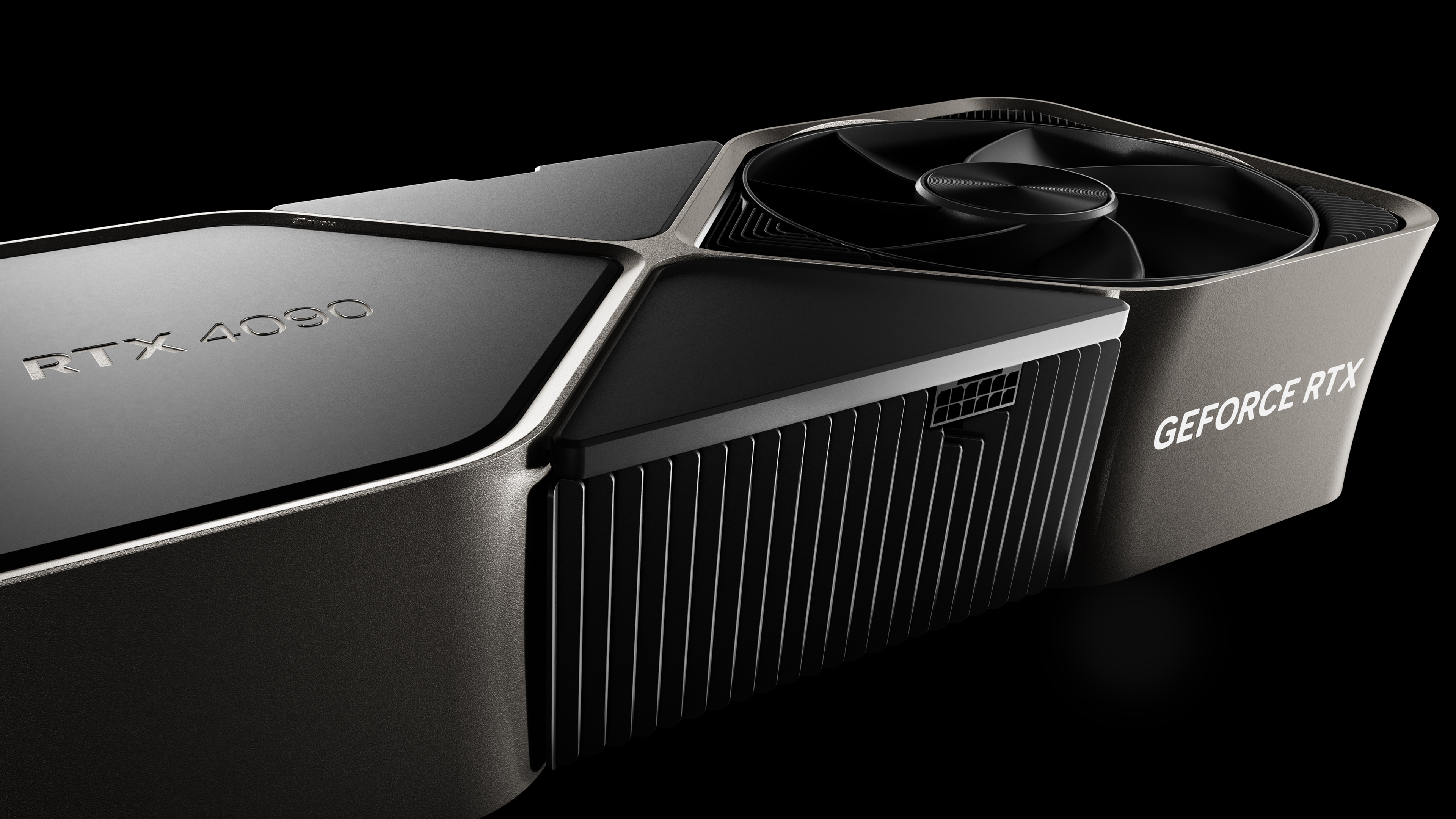
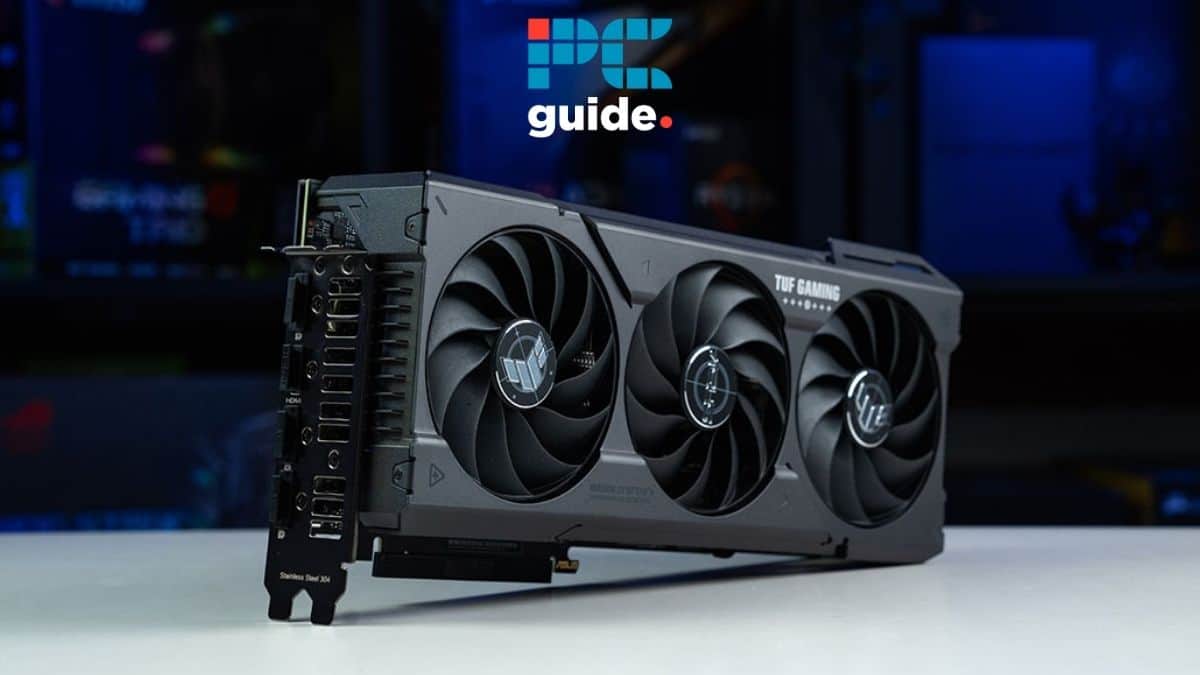
Is The RTX 4060 Still Good RTX 4060 PC Price Vs FPS 2026 Nvidia Geforce Rtx 4060.webp. Best RTX 4060 Ti GPUs In 2026 Our Top Picks PC Guide Spiderverse GPU . Nvidia Launches Three New GeForce RTX 4060 GPUs Starting At 300 2023 05 18 Image 9 . GeForce RTX 4060 Ti 4060 Grafikkort NVIDIA Geforce Rtx 4090 Product Gallery Full Screen 3840 3 . Best RTX 4060 Ti GPUs In 2026 Our Top Picks PC Guide Best GPU For 1440p 144Hz

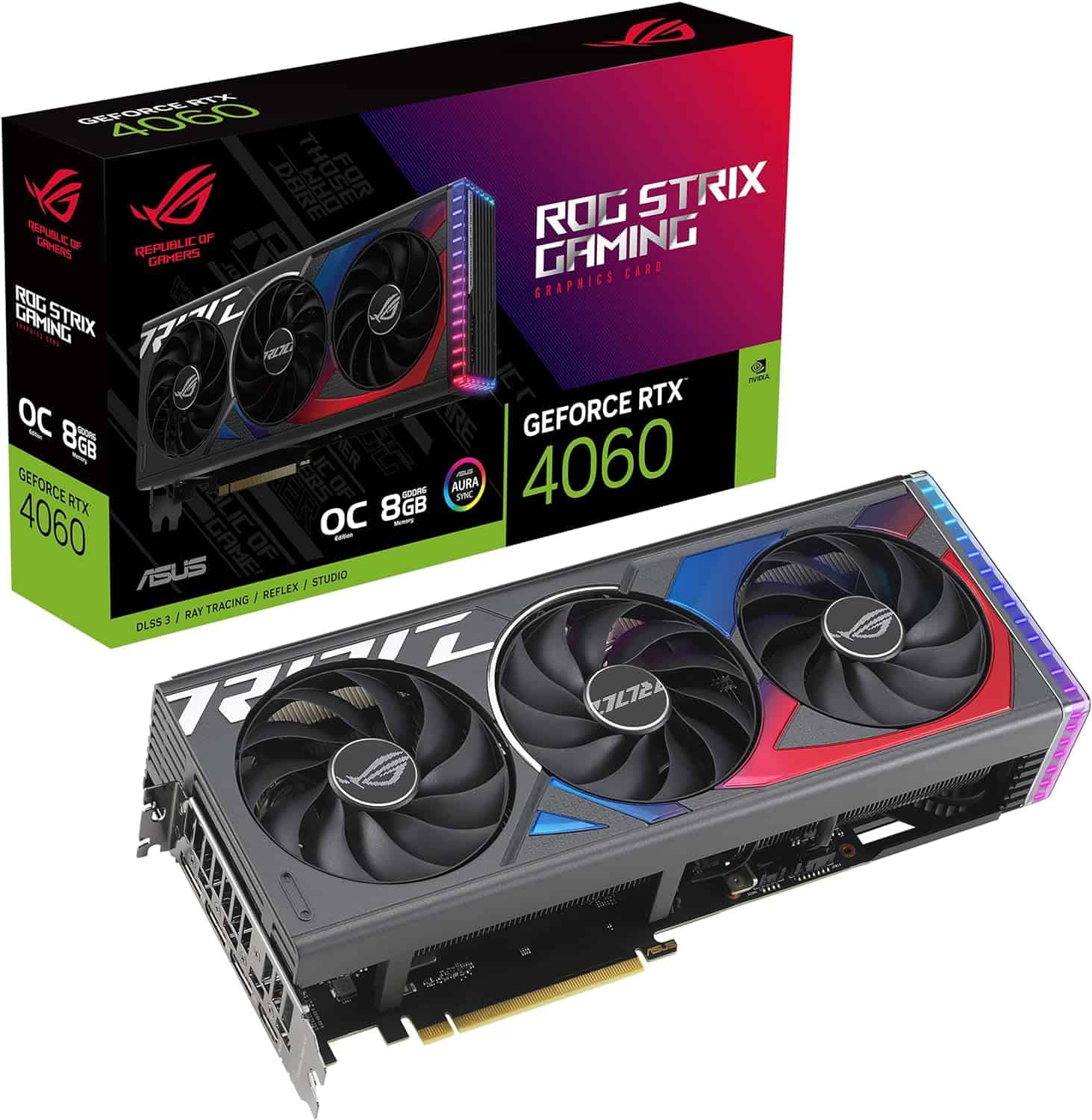
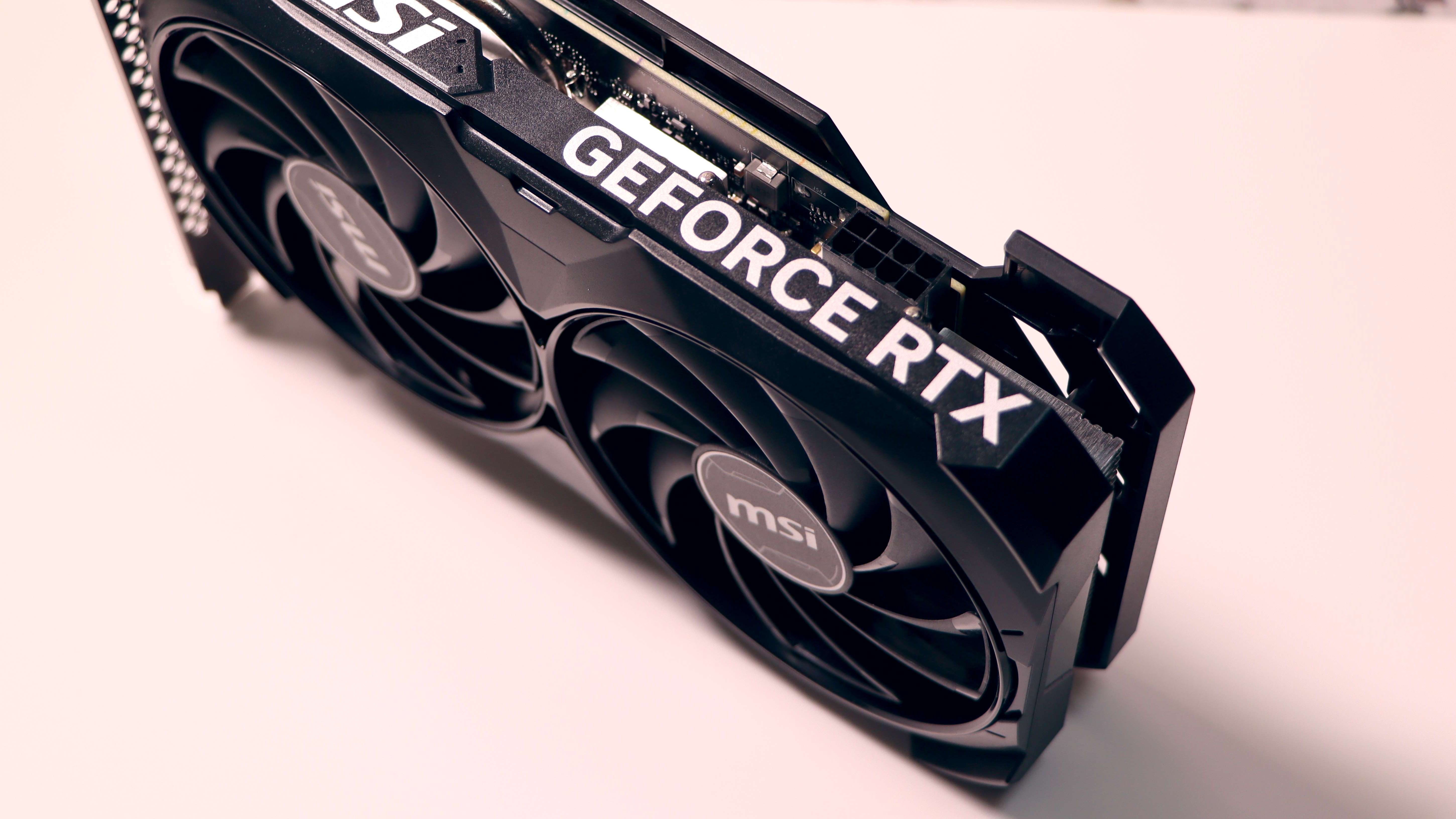

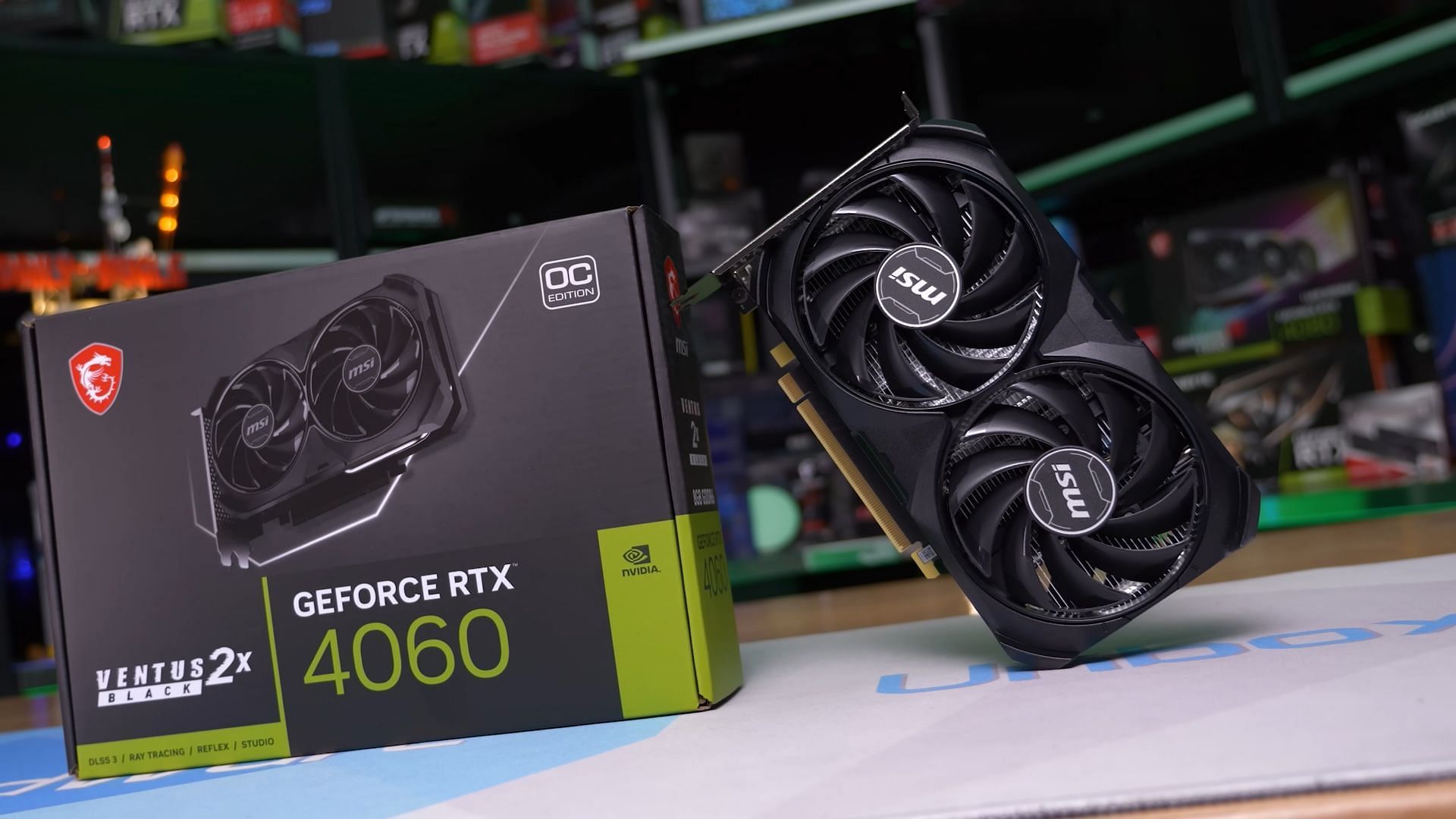
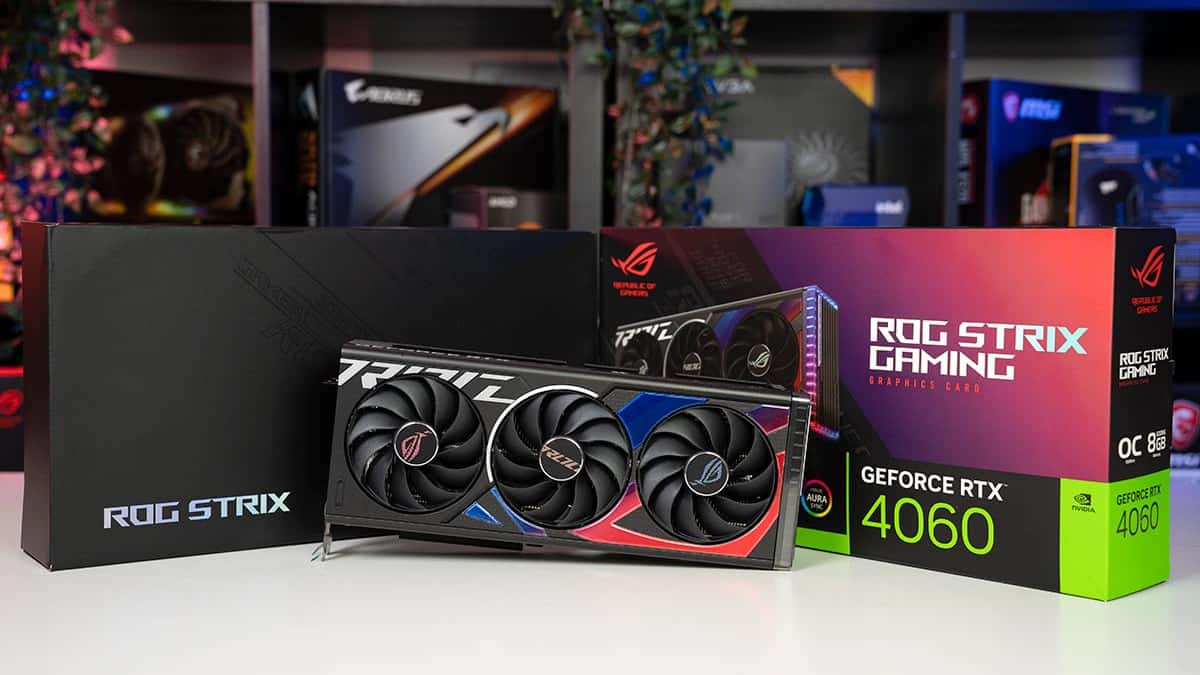
Is The RTX 4060 Still Good RTX 4060 PC Price Vs FPS 2026 Geekom Easter Sale 2026.webp. Best RTX 4060 GPUs In 2026 Our Top Picks PC Guide Rog Strix . Nvidia GeForce RTX 4060 . Amazon Com MSI Gaming GeForce RTX 4060 Ti 8GB GDRR6 Extreme Clock AC SL1500 . Is RTX 4060 A Good 1080p Gaming Graphics Card 0c28d 1920