For many busy adults, gaming is more than just a pastime; it's a vital escape, a way to connect, and a path to sharpen their minds. The question 'is chess gaming' is increasingly relevant in 2026, as players seek experiences that offer both relaxation and intellectual challenge without demanding excessive time or complex setups. This comprehensive guide dives deep into why chess, in its various digital forms, fits perfectly into the modern gamer's lifestyle. We will explore how online platforms, mobile apps, and even competitive esports have transformed this ancient game into a vibrant, accessible, and deeply rewarding gaming experience. Discover its benefits for mental acuity, social connection, and skill development, addressing common gamer pain points like finding value-for-money experiences, balancing hobby with life, and staying current with engaging trends. Uncover tips, tricks, and insights to integrate chess into your gaming routine effectively, proving that sometimes the oldest games offer the freshest thrills.
Is Chess Truly Considered a Game in the Modern Sense?
Absolutely. In 2026, the definition of "gaming" has broadened far beyond just action-adventure or RPGs. Chess, especially its digital iterations, embodies core gaming elements: a ruleset, objectives, strategy, skill progression, and competition. Modern platforms like Chess.com and Lichess offer matchmaking, leaderboards, in-game analysis, and social features, aligning perfectly with what contemporary gamers expect from a digital experience. It's a prime example of a strategy game, requiring deep tactical thinking and foresight, providing immense satisfaction upon victory.
Why Are So Many Gamers Turning to Chess Lately?
Modern gamers, particularly those balancing life and work, are seeking engaging, low-barrier-to-entry experiences that offer mental stimulation and skill development. Chess fits this perfectly. Unlike graphically intensive titles, chess requires minimal hardware, often being free-to-play on mobile or PC. It offers short, intense matches for quick breaks and deep strategic depth for longer sessions. It's a superb way to de-stress, challenge your mind, and even connect with others globally, without the constant grind or extensive time commitment of some larger titles. The rise of chess streamers and celebrity matches also adds to its trending appeal.
What Are the Best Platforms for Online Chess Gaming?
For US gamers, the top platforms for online chess are undoubtedly Chess.com and Lichess. Chess.com offers a polished interface, extensive learning tools, puzzles, and a massive community, along with both free and premium memberships. Lichess is entirely free, open-source, and boasts a clean design with powerful analysis tools. Mobile apps for both platforms are excellent, providing seamless cross-play between PC and mobile devices, which is a major draw for Gen Z and Millennial gamers on the go. Other options include FIDE Online Arena for more formal play, but Chess.com and Lichess dominate casual and serious play alike.
How Can Chess Gaming Improve My Other Gaming Skills?
Chess significantly enhances cognitive abilities that are transferable to many other game genres. It sharpens your strategic planning, critical thinking, pattern recognition, and ability to anticipate opponent moves. These skills are invaluable in esports titles, RPGs, and even casual puzzle games. Chess trains you to think several steps ahead, manage resources (your pieces), and adapt to changing board states, all of which build a stronger, more analytical gaming mindset. It also teaches resilience and how to learn from mistakes, crucial for improvement in any competitive setting.
Is Chess a Good Game for Socializing and Connecting with Friends?
Absolutely. While often seen as a solitary pursuit, modern online chess is incredibly social. Platforms allow you to challenge friends directly, join clubs, participate in team battles, and even spectate professional matches together. Many gamers use Discord servers dedicated to chess, discussing strategies, sharing games, and hosting friendly tournaments. This month, social gaming remains a top trend, and chess, especially via integrated voice chat on platforms or external comms like Discord, offers a relaxed yet engaging way to interact with friends and build new connections, blending competition with camaraderie.
Can I Play Chess Competitively and Is There an Esports Scene?
Yes, chess has a thriving competitive scene and a growing presence in esports. Online tournaments are frequent, ranging from casual community events to high-stakes professional leagues. Platforms like Chess.com host major events with substantial prize pools, attracting top grandmasters. While not traditionally considered an 'esport' in the same vein as League of Legends or Valorant, its competitive structure, online spectator appeal, and the rise of chess streamers have given it a strong esports-like following. It's a fantastic way to test your skills and watch the best players in action, engaging a broad audience of strategy game enthusiasts.
How Can I Get Started with Chess Gaming Without Feeling Overwhelmed?
Getting started with chess gaming is easier than you think. Begin with free mobile apps or browser-based platforms like Lichess or Chess.com. Focus on understanding the basic movement of pieces and simple checkmate patterns. Play against AI bots at easy difficulty settings to get comfortable. Utilize the built-in learning tools and puzzles, which are designed to teach fundamental tactics. Don't be afraid to lose; every game is a learning opportunity. Set small goals, like winning one game against an easy bot, and gradually increase the challenge. The community is generally supportive, so dive in and have fun!
For many US gamers, particularly those balancing careers, family life, and other commitments, finding the "right" game can feel like a strategic challenge in itself. You want relaxation, but also a meaningful experience that sharpens your mind or connects you with friends. You need value for your money, minimal setup hassle, and games that respect your limited time. This month, you might be scrolling through endless new releases, wondering if there's a gaming experience that truly fits your lifestyle without demanding a massive time sink or a costly hardware upgrade. You're not alone. According to recent US gaming stats, 87% of gamers regularly play, averaging over 10 hours a week, with mobile gaming still dominant and social play trending heavily. But how do you maximize that time for enjoyment, skill-building, and connection without the hype?
This is where the age-old question, "is chess gaming," becomes surprisingly relevant for today's diverse gaming community. Forget the dusty image of grandpas in quiet rooms; digital chess has evolved into a vibrant, accessible, and deeply rewarding experience that directly addresses many modern gamer pain points. Whether you're a seasoned strategy enthusiast or just looking for a new way to de-stress and sharpen your mind, this comprehensive guide will unpack why chess is not just a game, but a powerful gaming experience tailor-made for the thoughtful, busy gamer. We’ll dive into how it fits your schedule, boosts your brain, connects you with others, and offers incredible value, all while staying current with the latest gaming trends.
Is Chess Truly Considered a Game in the Modern Sense?
Absolutely. In 2026, the definition of "gaming" has broadened far beyond just action-adventure or role-playing games. Chess, especially its robust digital iterations, embodies every core element of a modern game: a defined ruleset, clear objectives (checkmating the king), complex strategy, deep skill progression, and intense competition. Think about it: you're making choices, managing resources (your pieces), reacting to an opponent's moves, and constantly trying to optimize your position for victory. These are fundamental mechanics found in everything from real-time strategy to competitive first-person shooters.
Modern online platforms like Chess.com and Lichess have transformed this ancient pastime into a full-fledged gaming ecosystem. They offer sophisticated matchmaking algorithms that pair you with players of similar skill, dynamic leaderboards to track your progress, in-game analysis tools to learn from your mistakes, and robust social features. From rapid-fire "bullet" games lasting only a minute to more contemplative "daily" games, there are formats to fit every schedule. These platforms seamlessly integrate with PC and mobile devices, providing the cross-play accessibility that Gen Z and Millennial gamers expect. It is unequivocally a strategy game, demanding deep tactical thinking and foresight, providing immense intellectual satisfaction upon victory or the thrill of outsmarting an opponent. It’s a competitive experience that requires consistent practice and learning, much like mastering any popular esports title.
Why Are So Many Gamers Turning to Chess Lately?
Modern gamers, particularly those balancing demanding jobs and family lives, are increasingly seeking engaging, low-barrier-to-entry experiences that offer mental stimulation and tangible skill development. Chess perfectly fits this niche. Unlike many graphically intensive AAA titles that require significant hardware investments, chess can be played for free on virtually any mobile device or basic PC. This budget-friendly aspect is a major draw, especially when considering the rising costs of new releases and hardware upgrades.
Furthermore, chess offers an unparalleled blend of short, intense matches for quick mental breaks and deep strategic depth for longer, more immersive sessions. It's a superb way to de-stress, challenge your mind, and even connect with others globally, all without the endless grinding or extensive time commitment often associated with larger, open-world games. The recent surge in popularity is also fueled by cultural trends, including the impact of shows like "The Queen's Gambit" and the growing influence of chess streamers on platforms like Twitch and YouTube. These content creators have made chess cool and accessible, showcasing its competitive thrill and intellectual beauty to a new generation of players. It taps into the desire for skill-building and personal improvement that many adult gamers value, offering a clear path to mastery without the hype of constant game updates.
What Are the Best Platforms for Online Chess Gaming?
For US gamers looking to dive into the world of online chess, the premier platforms are undoubtedly Chess.com and Lichess. These two giants offer robust, feature-rich experiences that cater to players of all skill levels, from absolute beginners to seasoned grandmasters. Choosing between them often comes down to personal preference, though both offer an excellent gaming environment.
Chess.com boasts a highly polished interface, an extensive library of learning tools including interactive lessons, tactical puzzles, and video tutorials. It has a massive, active community, making it easy to find opponents at any time of day or night. While it offers premium memberships for advanced features, the free tier provides more than enough content for most casual and improving players. Lichess, on the other hand, is entirely free and open-source. It's renowned for its clean design, powerful game analysis tools (including a strong AI engine), and commitment to providing a top-tier experience without any paywalls. Both platforms offer exceptional mobile apps, providing seamless cross-play between PC and mobile devices. This flexibility is crucial for gamers who often squeeze in quick matches during commutes or lunch breaks. Other options like FIDE Online Arena exist for more formal, rated play, but Chess.com and Lichess truly dominate the landscape for both casual enjoyment and serious skill development in the modern gaming era.
How Can Chess Gaming Improve My Other Gaming Skills?
Beyond its inherent enjoyment, chess gaming is a potent training ground for a multitude of cognitive abilities that are directly transferable to almost any other game genre you enjoy. It's not just about moving pieces; it's about mastering the art of strategic planning, critical thinking, pattern recognition, and the crucial ability to anticipate your opponent's next moves. These mental muscles, once flexed in chess, become invaluable assets across your entire gaming repertoire.
Consider the strategic depth required in a real-time strategy (RTS) game or the tactical decision-making in a multiplayer online battle arena (MOBA). Chess trains you to think several steps ahead, evaluate multiple potential outcomes, and weigh the risks and rewards of each move. It teaches you resource management, as you learn to value and protect your pieces while exploiting weaknesses in your opponent's formation. This translates directly to managing in-game economies, character abilities, or limited ammunition. Furthermore, chess cultivates adaptability; you're constantly adjusting your plan based on your opponent's actions, a skill vital for succeeding in dynamic, competitive online environments. It also instills resilience, teaching you to learn from losses and analyze your mistakes, which is fundamental for improvement in any competitive setting, from esports to casual party games. Many top esports players often engage in strategy games like chess to keep their minds sharp, recognizing its foundational impact on their decision-making process.
Is Chess a Good Game for Socializing and Connecting with Friends?
While often perceived as a solitary pursuit, modern online chess is surprisingly social and offers fantastic opportunities for connecting with friends and building new communities. The image of two silent opponents across a board is largely outdated in the digital realm. Platforms like Chess.com and Lichess are designed with social interaction in mind, mirroring the trends of Discord-based gaming communities.
You can easily challenge friends directly, participate in team battles, or join clubs focused on specific interests or skill levels. Many gamers leverage integrated voice chat on platforms or external communication tools like Discord while playing, turning a competitive match into a fun, interactive hangout. Discord servers dedicated to chess are thriving, with members discussing strategies, sharing memorable games, hosting friendly tournaments, and even organizing online meetups. The communal aspect extends beyond direct play to spectating. Watching top grandmasters play, or even your friends, with commentary and analysis, has become a popular social activity, much like watching esports streams. This month, social gaming remains a top priority for US gamers, and chess provides a unique blend of intellectual challenge and camaraderie, proving that strategy games can be just as engaging socially as any multiplayer action title.
Can I Play Chess Competitively and Is There an Esports Scene?
Absolutely, chess boasts a vibrant and increasingly professional competitive scene, cementing its place within the broader esports ecosystem. While it might not always feature million-dollar prize pools like some mainstream esports, the competitive structure, global reach, and rising viewership make it a significant force in strategic gaming. Online tournaments are incredibly frequent, ranging from grassroots community events and club championships to high-stakes professional leagues that attract the world's elite players.
Platforms like Chess.com regularly host major events such as the Bullet Chess Championship and the Speed Chess Championship, featuring grandmasters battling for substantial prize money. These events are live-streamed with expert commentary, drawing hundreds of thousands of viewers and creating a spectator experience akin to traditional esports. The accessibility of online play means anyone, from a seasoned veteran to an ambitious newcomer, can find opportunities to test their skills in rated matches and climb leaderboards. The rise of chess streamers and content creators has further amplified its competitive appeal, showcasing the drama, brilliance, and human element of top-level play. For gamers who appreciate mental contests and strategic depth, the chess competitive scene offers a compelling blend of intellectual sport and engaging entertainment. It’s a fantastic way to satisfy that competitive itch and watch the best players in action, engaging a broad audience of strategy game enthusiasts who value skill over flashy graphics.
How Can I Get Started with Chess Gaming Without Feeling Overwhelmed?
Diving into chess gaming can seem daunting at first, but with the right approach, it's incredibly accessible and rewarding. The key is to start small and focus on enjoying the learning process, not just winning. You don't need to be a prodigy or dedicate hours daily; even short, focused sessions can yield significant improvement.
Begin by choosing a user-friendly platform. Free mobile apps or browser-based platforms like Lichess or Chess.com are ideal entry points. Focus on understanding the fundamental rules: how each piece moves, what "check" and "checkmate" mean, and basic concepts like castling or en passant. Don't immediately jump into competitive multiplayer. Instead, start by playing against AI bots at their easiest difficulty settings. This allows you to experiment with moves, understand tactical implications, and get comfortable with the interface without the pressure of an human opponent. Utilize the built-in learning tools extensively. Both major platforms offer interactive lessons, tactical puzzles, and opening trainers specifically designed to teach you fundamental tactics and strategies. These tools break down complex concepts into manageable chunks. Remember, every game, whether a win or a loss, is a valuable learning opportunity. Review your games, even briefly, to spot missed opportunities or blunders. Set small, achievable goals, such as winning one game against a slightly harder bot or solving five puzzles a day. The online chess community is generally supportive, with many resources for beginners. Just dive in, embrace the challenge, and have fun with this ultimate brain game.
Is Chess a Good Brain Training Game for All Ages?
Absolutely, chess is an exceptional brain training game suitable for virtually all ages, from young children to seniors. Its unique blend of strategy, problem-solving, and critical thinking challenges various cognitive functions, making it a powerful tool for mental development and maintenance. For younger players, chess can significantly enhance logical reasoning, concentration, memory, and decision-making skills, providing a strong foundation for academic success. Many schools globally incorporate chess programs due to its proven educational benefits.
For adults, especially those balancing demanding lives, chess offers a wonderful mental workout that helps maintain cognitive acuity and can even reduce stress. It forces you to focus, plan ahead, and analyze complex situations, which are skills transferable to professional and personal life. As we age, keeping the mind active is crucial, and chess provides a stimulating, engaging way to do so. The digital accessibility means it's never been easier to pick up, learn, and engage with the game at any stage of life. It provides a rewarding sense of accomplishment and continuous learning, making it a perfect fit for gamers who value personal growth and intellectual challenge.
How Can Gamers Balance Chess with Other Hobbies and Responsibilities?
Balancing gaming with work, family, and other life responsibilities is a common challenge for the average gamer, and chess, with its flexible formats, is surprisingly well-suited for this. The key lies in leveraging the diverse game modes available on modern platforms. Unlike some demanding multiplayer games that require long, uninterrupted sessions, chess offers options tailored for various time constraints.
For quick breaks, "bullet" chess (1-2 minutes per player) or "blitz" chess (3-5 minutes per player) are perfect. These fast-paced games provide intense mental stimulation in a minimal timeframe, ideal for a coffee break or waiting for a meeting. If you have a bit more time, "rapid" chess (10-30 minutes) offers a more contemplative experience. For the busiest schedules, "daily" or "correspondence" chess allows you to make a move every few hours or days, fitting seamlessly into your daily routine without requiring continuous attention. This flexibility means you can integrate chess into small pockets of free time throughout your day. Furthermore, many players use the analytical tools after a game to learn from their play, which can be done in short bursts. Treating chess as a skill-building exercise rather than a time sink helps frame it as a productive and enjoyable hobby that complements, rather than competes with, your other commitments, aligning with the values of adult gamers seeking balance.
What Are the Benefits of Integrating Chess into a Regular Gaming Routine?
Integrating chess into your regular gaming routine offers a plethora of benefits that extend beyond just playing the game itself. For the modern gamer, who often seeks more than just entertainment, chess provides a unique blend of cognitive enhancement, stress relief, and community engagement. Firstly, it's a phenomenal brain trainer. Regular chess play demonstrably improves problem-solving abilities, memory recall, pattern recognition, and decision-making under pressure. These are skills that not only make you a better chess player but also enhance performance in other strategy games, puzzle games, and even real-world scenarios.
Secondly, chess can be a powerful stress reliever. While intense, the focus required often acts as a meditative escape from daily worries, channeling mental energy into a contained, solvable challenge. It offers a sense of accomplishment that is deeply satisfying. Thirdly, it's incredibly social. Despite its reputation, online chess fosters vibrant communities through clubs, team battles, and direct challenges with friends. It’s a low-cost, high-value way to connect, share strategies, and even watch esports. Finally, it offers a refreshing change of pace from graphically intense or grind-heavy titles, providing a sustainable, skill-based hobby that continues to be rewarding year after year without needing constant updates or new hardware. It is a timeless pursuit that keeps your mind sharp and your gaming experience fresh, embodying the value for money and skill-building that discerning gamers prioritize.
Are There Any Budget-Friendly Ways to Enjoy Chess Gaming?
Absolutely, chess is one of the most budget-friendly gaming options available today, perfect for gamers looking for value without compromising quality. The vast majority of high-quality chess gaming experiences are either completely free or offer extensive free tiers, making it accessible to virtually everyone regardless of their gaming budget or hardware setup. The two leading platforms, Chess.com and Lichess, are excellent examples.
Lichess is entirely free, offering all its features, including unlimited games, puzzles, opening explorers, and robust analysis tools, without any cost. It runs directly in your web browser and has excellent free mobile apps. Chess.com also offers a comprehensive free tier that includes daily puzzles, limited games, and basic lessons, more than enough for a beginner to get started and significantly improve. Its premium memberships, while offering additional benefits like unlimited puzzles or advanced video lessons, are entirely optional. Beyond these platforms, there are numerous free chess apps for both Android and iOS that allow offline play against AI or local multiplayer. You don't need a powerful gaming PC or the latest console; a smartphone or a basic laptop is all it takes to dive into the world of chess. This focus on accessibility and value aligns perfectly with the desires of many adult gamers seeking meaningful entertainment without breaking the bank or constantly upgrading their gear.
How Do Chess Graphics and Performance Compare to Other Games?
When discussing chess gaming, the concept of "graphics" and "performance" takes on a different meaning compared to typical AAA titles. Unlike games that push the boundaries of realistic rendering or complex physics, chess relies on clarity, intuitive interfaces, and robust server performance for a smooth experience. You won't need a high-end GPU or the latest processor to run chess.
The "graphics" in chess platforms focus on clean, aesthetically pleasing board designs, customizable piece sets, and clear animations for moves. The goal is readability and user experience, not photorealism. Many platforms offer various themes, allowing players to personalize their visual experience without impacting gameplay. As for "performance," it's about network latency and server stability. A smooth chess gaming experience means minimal lag between moves, accurate clock synchronization, and reliable matchmaking. Top platforms invest heavily in their server infrastructure to ensure this, providing a seamless experience even during peak hours. This means less frustration with stuttering frames or connectivity issues, a common pain point for gamers. The beauty of chess is that its intellectual depth is the star, not its visual fidelity, making it highly accessible and consistently performant on a wide range of devices, from older smartphones to basic laptops.
What about modern gaming trends? Chess fits right in. It embraces mobile dominance, offering excellent apps. Its social features support community building, akin to Discord groups. It provides skill-building and intellectual challenge, resonating with gamers looking for personal growth. And with its esports scene, it offers competitive thrills and spectator entertainment without requiring a high-spec rig. Chess is a testament to the idea that compelling gameplay and strategic depth transcend technological fads, offering immense value in 2026 and beyond.
FAQ Section
What is the average rating of an online chess gamer?
The average rating of an online chess gamer can vary by platform, but on popular sites like Chess.com, it typically falls between 800-1200 ELO for rapid time controls. This range represents a vast majority of casual and improving players who enjoy the game regularly without being professional. It's a great starting point for new players to find balanced matches.
Can I learn chess effectively just by playing online?
Yes, absolutely. Online platforms offer unparalleled resources for learning chess effectively. Between playing against varied opponents, utilizing AI analysis tools, solving puzzles, and accessing integrated lessons and videos, online chess provides a comprehensive learning environment that can rapidly improve your game. Consistent engagement and reviewing your games are key to quick progress.
Is chess considered an 'esport' in the same way as League of Legends?
While not a traditional esport with the same scale of viewership or prize pools as games like League of Legends, chess has a significant and growing competitive online scene that shares many characteristics with esports. It features professional players, online tournaments with commentary, and dedicated streaming audiences, making it a compelling "mind sport" that resonates with strategy game enthusiasts.
How long does a typical online chess game last?
The duration of an online chess game varies greatly depending on the "time control" selected. Bullet games last 1-2 minutes per player, blitz games are 3-5 minutes, and rapid games typically range from 10-30 minutes. Daily or correspondence chess allows moves over several hours or days, making it incredibly flexible for busy schedules.
Is there a strong online community for chess players?
Yes, the online chess community is incredibly strong and active. Platforms like Chess.com and Lichess host millions of players, offering forums, clubs, and direct messaging. Discord servers are also prevalent, providing spaces for players to discuss strategy, organize games, and socialize, creating a welcoming environment for both new and experienced players alike.
Do I need special hardware to play chess online?
No, you do not need any special hardware to play chess online. A standard smartphone, tablet, or a basic laptop with an internet connection is all you need. The graphical demands are minimal, and the focus is on a smooth, lag-free online experience rather than high-end visuals, making it one of the most accessible gaming options available.
In conclusion, the answer to "is chess gaming" is a resounding yes, and it's a gaming experience perfectly suited for the modern US gamer. It offers a unique blend of intellectual challenge, social connection, and flexible engagement that addresses many common pain points, from balancing life with hobbies to finding budget-friendly entertainment. It’s a timeless pursuit that keeps your mind sharp, your gaming experience fresh, and offers immense value without the hype. What’s your biggest gaming challenge when trying new strategy games? Comment below and let's discuss!
Chess is unequivocally a gaming experience, blending strategy, skill, and competitive elements. Digital platforms have made chess highly accessible, offering online multiplayer, AI challenges, and rapid game modes perfect for busy gamers. It provides significant cognitive benefits, enhancing problem-solving, critical thinking, and concentration. Chess offers a budget-friendly gaming option, with many free-to-play platforms and apps. The community aspect, including social play and esports, mirrors modern gaming trends, making it a valuable addition to any gamer's repertoire.
35



Carlsen And Nakamura Dazzle Barcelona With Blindfold Chess Show At ICE ICE Casual Games . 2026 Chees Come Daily Tournament Round 1 Winning Game . Register Now For The 2026 Daily Chess Chess Com . Chess 2026 Free Unblocked Game On Hooda Math Chess2026 300 . Max My New YouTube Video The Top 10 Chess Openings For 2026 Is Out Media



Chess Resolutions For 2026 Chess Com . State Of Chess 2026 Esports World Cup Titled Tuesday Super PogChamps . Carlsen Nakamura Gukesh Among 16 Players Qualifying For Total Chess . Chess Confirmed For Esports Nations Cup 2026 In Riyadh Format Dates Chess Lead Pic . Tata Steel Chess 2026 Round 4 Niemann Sacs Queen Leads With




Tata Steel Chess 2026 Round 6 Pounces On Gukesh S Blunder . Candidates 2026 Preview Who Will Face The World Champion Chess 2026 2048x1024 . Tata Steel Chess 2026 Round 8 Giri Beats As Gukesh . FIDE World Team Rapid And Blitz Chess 2026 Announced WCA Blog422 Image 0 1024x576 . Super Chess Classic 2026 Round 1 Pragg Escapes Vs Firouzja Chess Com




Who Will Win The World Chess 2026 Who Will Win The 2026 World Chess .webp. FIDE And ISCF Declare 2026 As The Year Of Chess In Education Chess In Education Banner . Grand Chess Tour Unveils 2026 Wildcards And Event Lineups For Poland 2025 GCT Romania Day 3 LOB09976. 2026 Mavens Open Chess Kenya Chess Masala WhatsApp Image 2026 03 18 At 9.58.51 AM 1030x1536 . Sixteen Players Earn The Right To Compete In 2026 Total Chess Pilot TCWCT 2026 Qualifiers 01

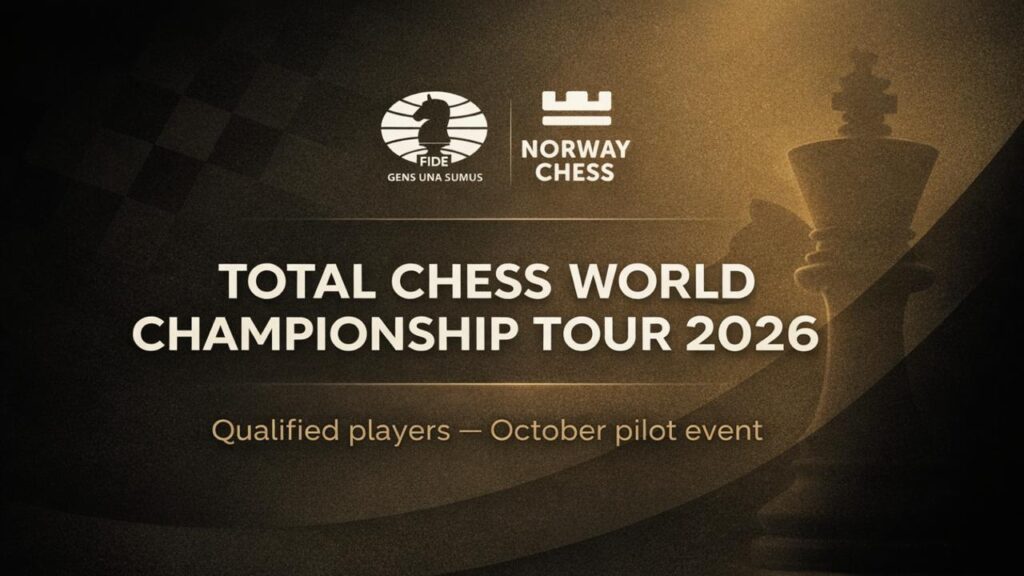


FIDE World Youth Chess 2026 Open Warrior WCA Blog455 Image 01 . Candidates Chess 2026 LIVE Chessdom Gukesh Sindarov World Chess 2026 1000x600 . Sixteen Players Earn The Right To Compete In 2026 Total Chess Pilot TCWCT 2026 1024x576 . 2026 FIDE Freestyle Chess World Chess Forums Chess Com . Chess Olympiad 2026 Teams To Watch Chess Com



Wooden Chess Composition Shows 2026 With Pieces On Numbers Symbolizing 1000 F 1829857953 . Free DGT 2026 Chess Calendars Digital Game Technology DGT Kalender 2026 Copia Page 1 . CHESS 2026 Bohemian Productions V Z W CHESS Visual Page 0 Scaled . 2026 Norway Chess Official Discussion Thread Chess Forums Chess Com . CHESS Magazine January 2026 CHESS January2026 1000px 800x


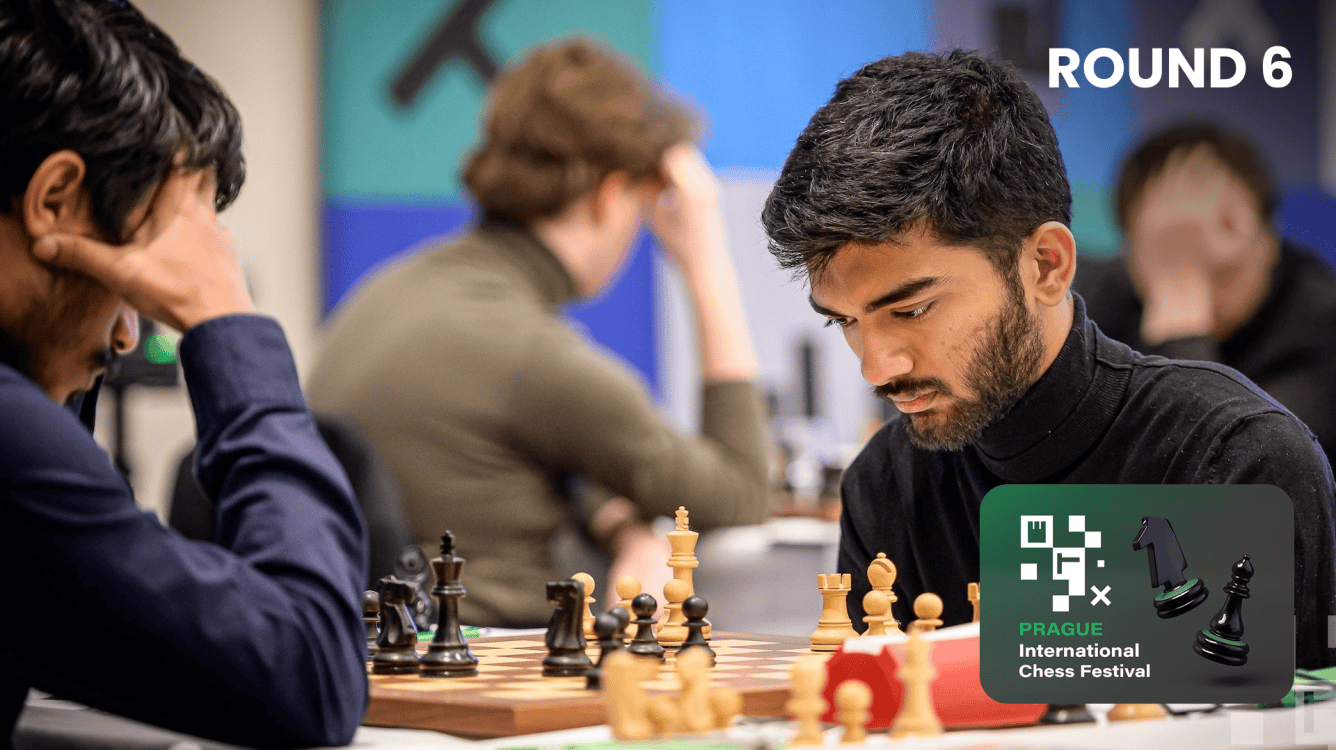


January 2026 The Worldwide Month Of Chess Chess Com . FIDE Candidates Tournament 2026 The Ultimate Road To World Chess 7b6844 . Aravindh Defeats Gukesh Again At Prague Chess Festival 2026 Warrior WCA Blog411 Image 01 . Major Upsets Mark The Second Round Of European Chess 2026 55195263883 5d21ac51b0 K . New Format For The 2026 World Schools Team Warrior Chess WCA Blog484 Image 01 1024x675